

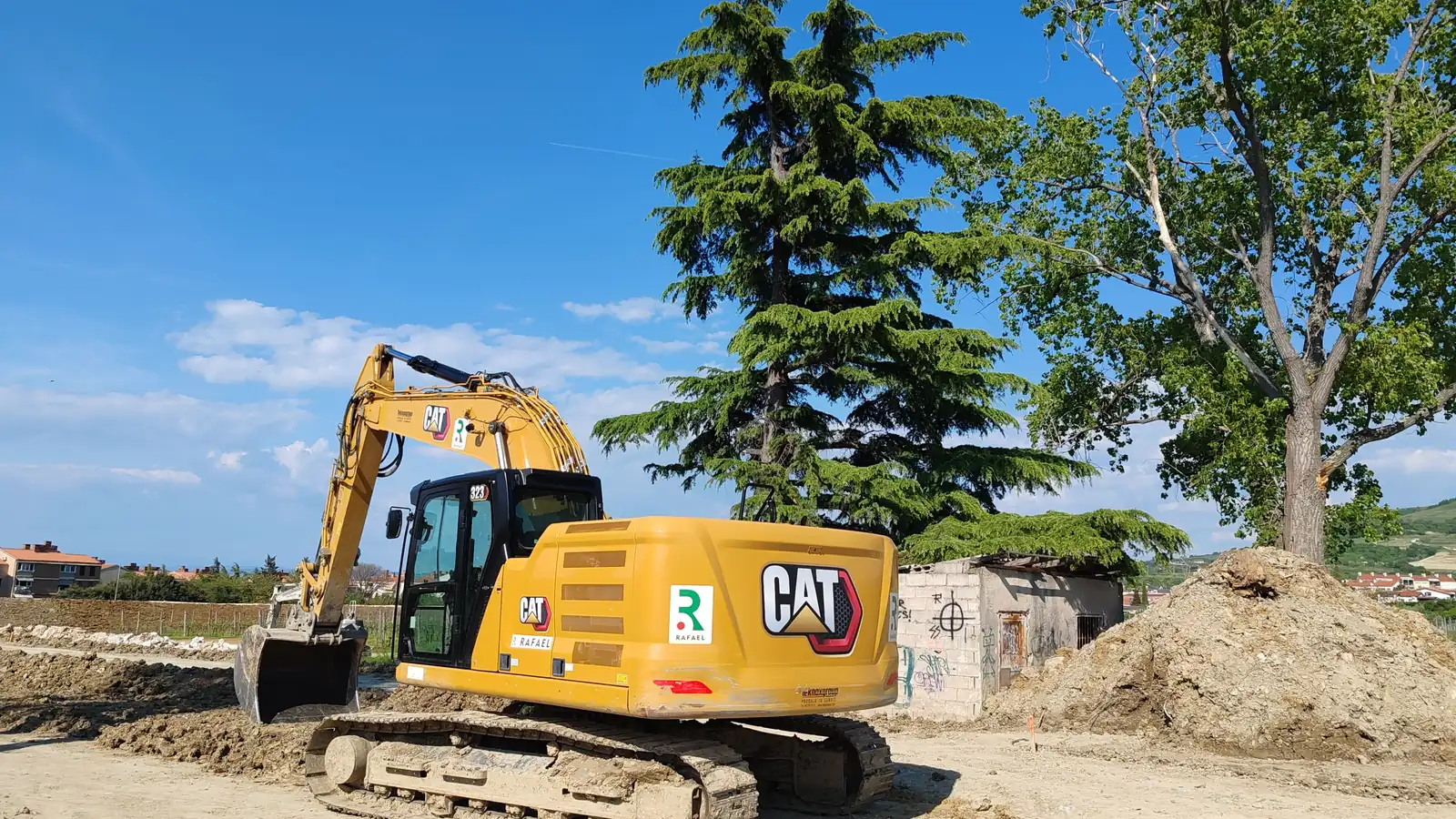
Construction equipment financing in New Zealand funds excavators, diggers, loaders, and plant, usually up to 100% of the purchase price with the equipment itself as security — no property required. What actually gets you a yes isn't the machine's horsepower, it's whether the numbers behind your business stack up. (An excavator's ambitious enough without needing to dig a bigger hole in your cash flow.) Here's what qualifies, what it costs, and when it isn't the right call.
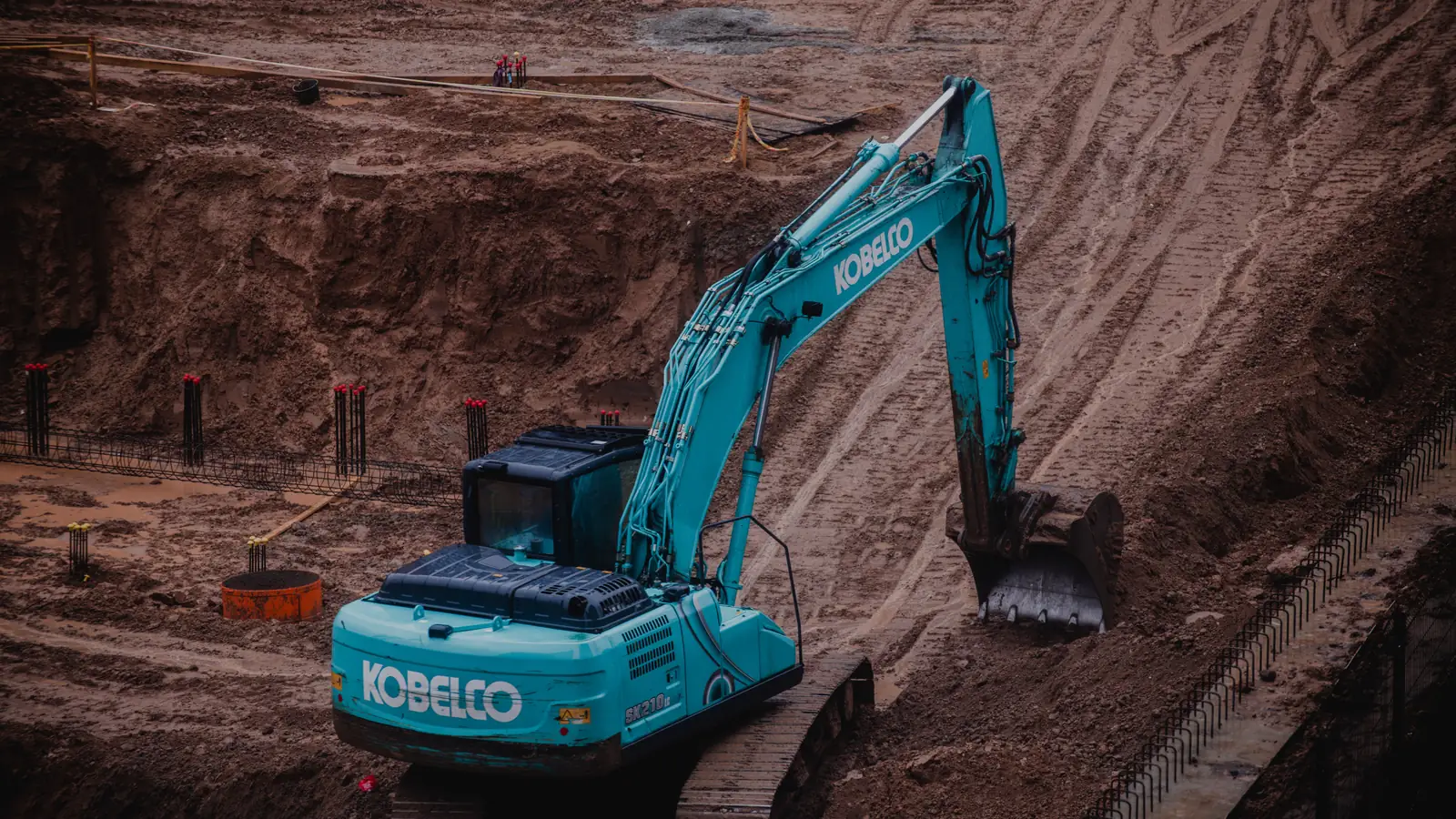
Photo: Mr Alex Photography / Pexels
What Construction Equipment Financing in NZ Actually Covers
Construction equipment financing is asset finance for the plant and machinery a business uses on site. The loan is secured against the machine itself, not your house or business premises. It covers new and used equipment — excavators, diggers, loaders, bulldozers, rollers, cranes — and every attachment that comes with it.
Structures vary. Hire purchase, where you own the machine outright once the final payment clears, is the most common. A lease-style structure can suit a business that turns its plant over every few years instead of running it to the end of its working life.
If you're financing trucks or utes alongside the plant, we've written a dedicated guide to commercial vehicle finance. This post is for the machines that don't leave the site — the full category sits on our asset finance page.
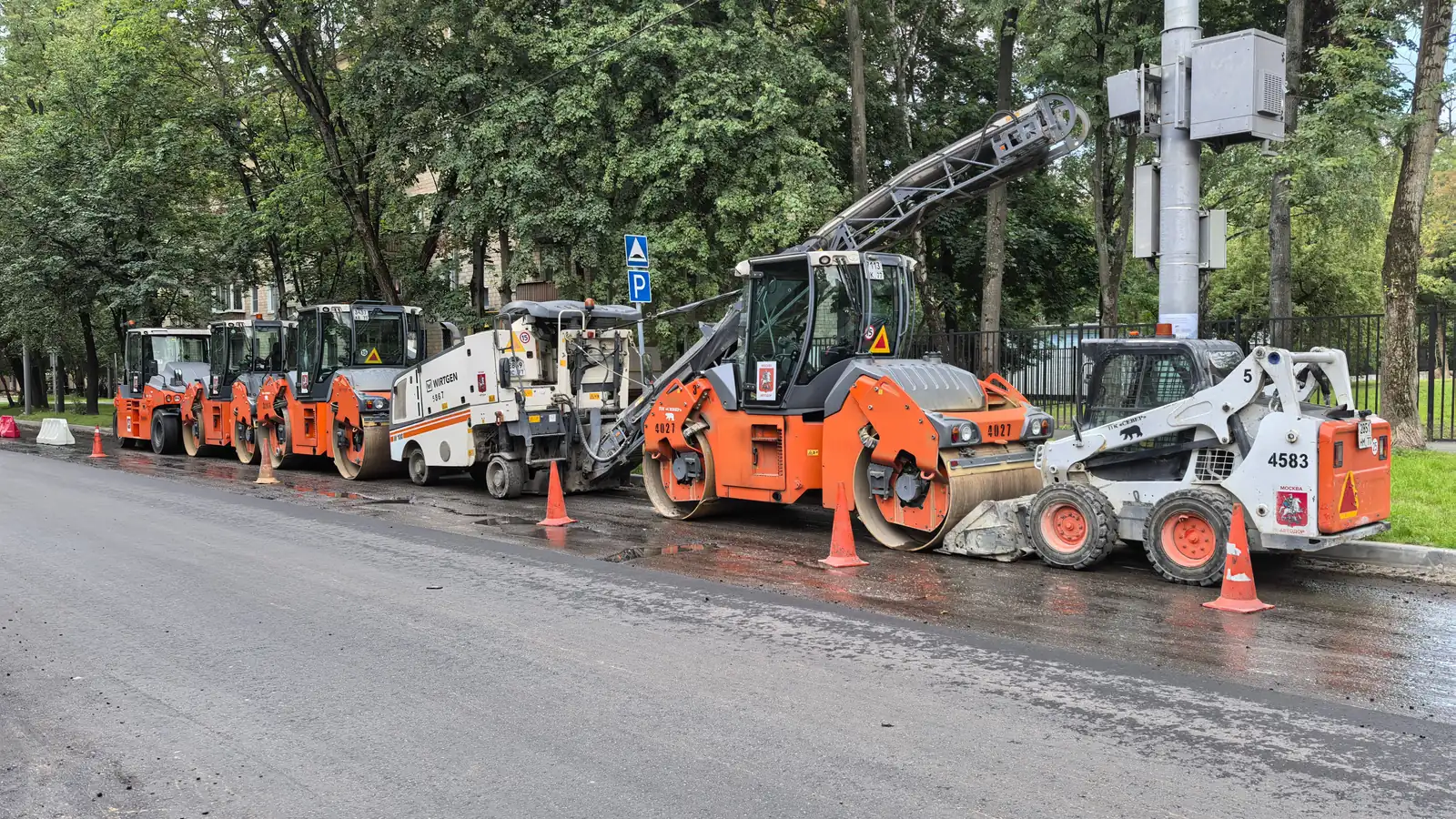
Photo: Andrey Matveev / Pexels
Excavators, Diggers & Plant: What Actually Qualifies as Security
Every machine type gets financed the same way underneath — asset finance, secured against the equipment. What changes is the lender's appetite and how the deal's structured, and whether the machine's new or used.
- Excavators & diggers. The most common single-machine deal we place. A common make in reasonable condition prices fastest, since the resale market for it runs deep.
- Loaders, bulldozers & rollers. Bigger loan sizes and a longer working life, so a lender weighs the machine's age and hours more heavily than it would on a smaller unit.
- Cranes & access equipment. Specialist gear with a narrower resale market, which is exactly where a non-bank lender's appetite tends to fill the gap a bank's policy leaves.
- Attachments. Buckets, augers, and hammers usually ride along on the base machine's own financing — on their own, they're not exactly heavy lifters as standalone security.
Used equipment is priced against age, hours, and condition rather than a sticker price, so a well-maintained older machine can still land a strong term. Get the machine type right in the first conversation and the rest moves faster.
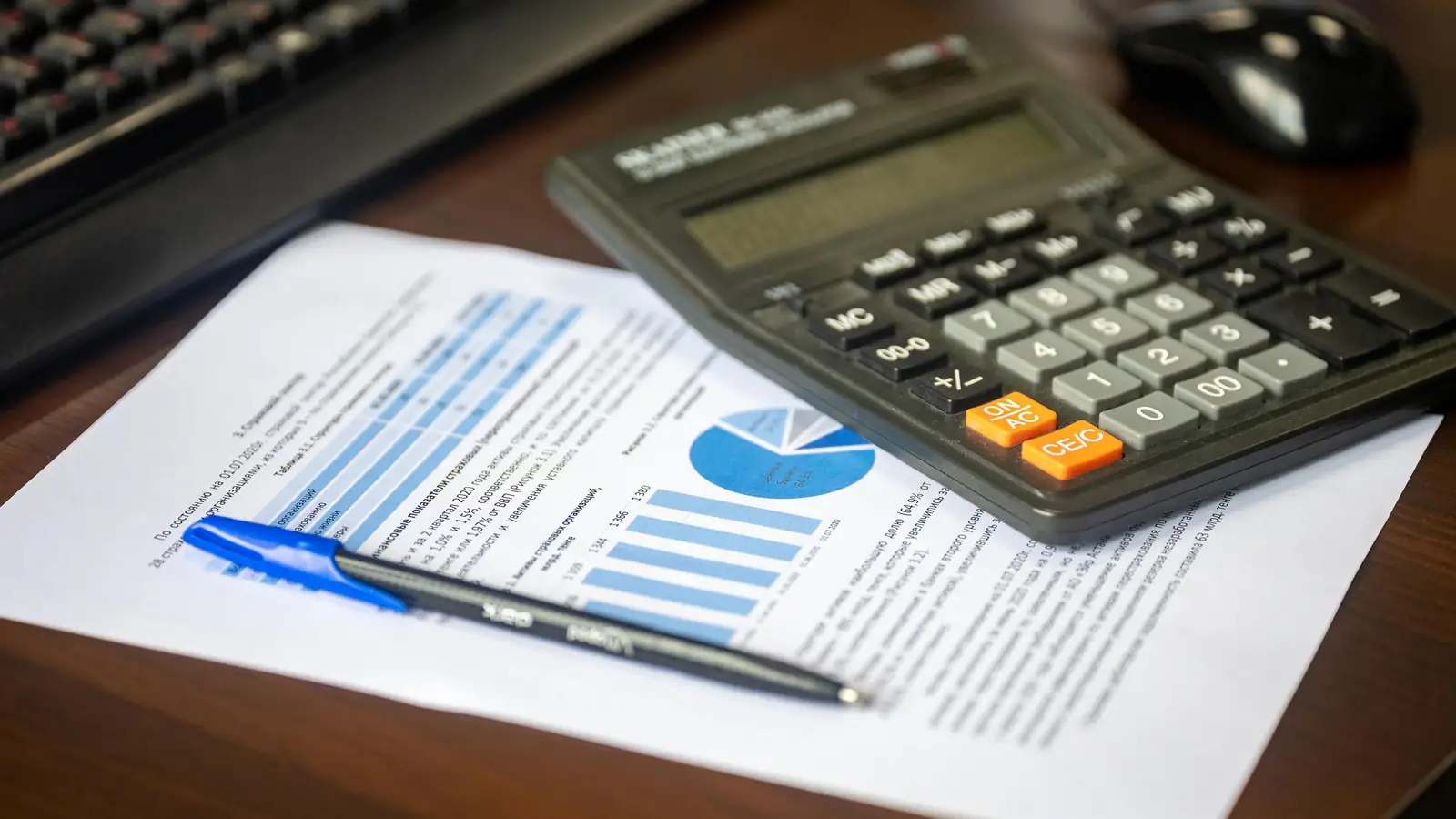
Photo: Bia Limova / Pexels
Deposit, Loan Size & Rate: Why There's No Fixed Grid
Short answer: many facilities are structured to fund up to 100% of the equipment's purchase price, so you may not need to put any cash down at all.
There's no published rate card either, for the same reason you can't price a whole quarry by the cost of one rock. What actually moves the numbers:
- The machine's age, make, and hours — a common model in good condition prices faster than something unusual or well past its working life
- Whether you’re GST-registered and how the purchase is structured
- The term you’re asking for, and how it lines up with the equipment’s useful life
- Bank versus non-bank lender — different appetite, same asset
- How strong your business’s numbers are to service the repayment
The only number worth acting on is the one on an indicative term sheet built around your actual deal — ours comes back in 24–48 hours.
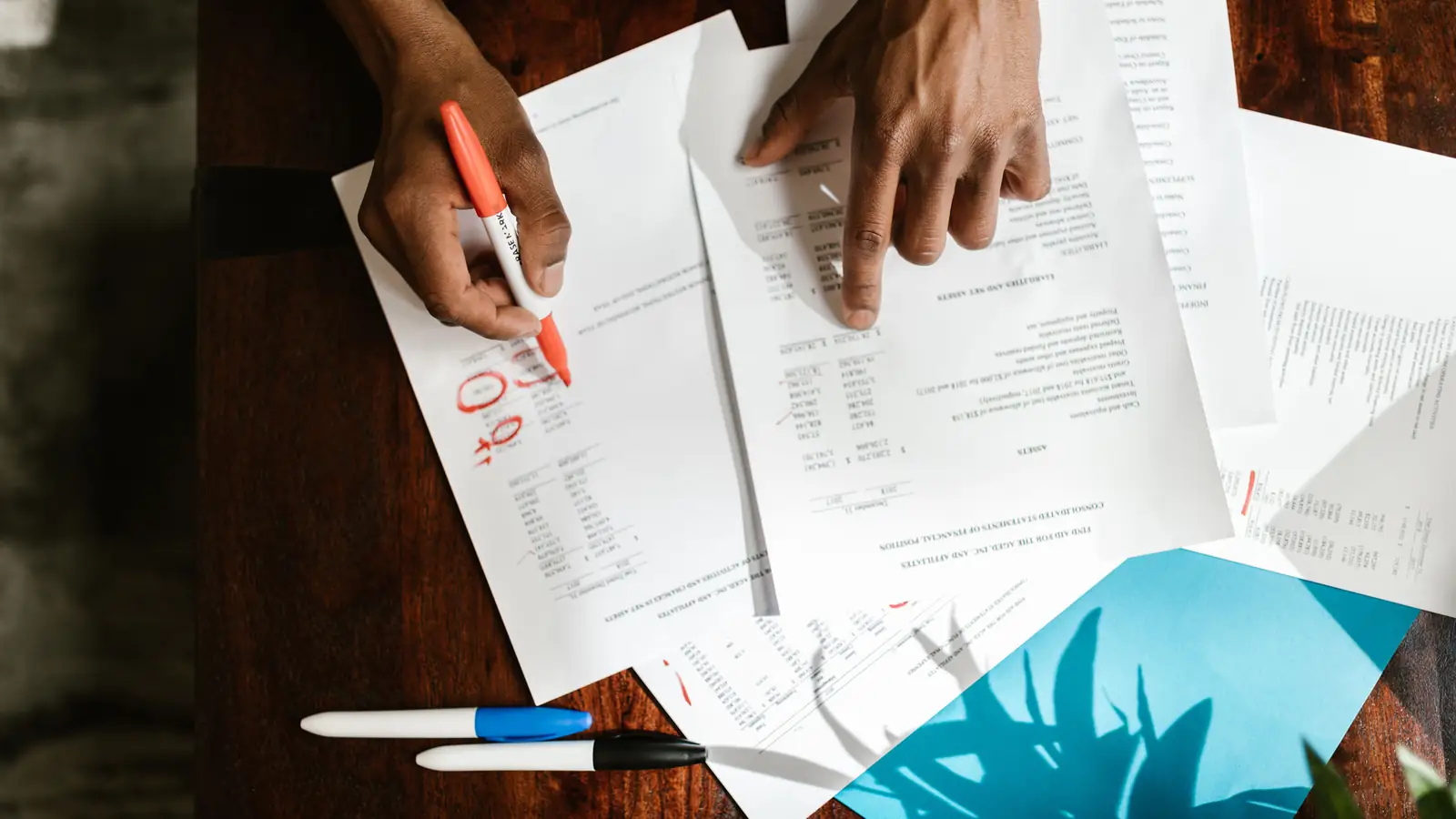
Photo: RDNE Stock project / Pexels
What Qualifies Your Business
Every lender wants to see the same four things, just weighted differently depending on whether it's a bank or a non-bank underwriting the file.
- The asset. The machine's age, make, and hours — the more common the model, the easier the security is to price.
- The entity. Company incorporation or trust deed, plus valid ID for every director and guarantor.
- The numbers. Whether your business can service the repayment — that matters more than the machine's price tag.
- The use. What the equipment's actually doing for the business. A digger working five sites a week prices differently to one parked most of the month.
The entity side is worth checking early — if you need to confirm your own company's standing before you apply, the Companies Register is the place to do it, not a guess. GST registration and how the purchase is structured can also affect the numbers — that's a question for your accountant or ird.govt.nz, not something we'll estimate for you here. Get the four basics in place before the first call and a term sheet turns around in 24–48 hours.

Photo: George Morina / Pexels
Bank or Non-Bank: Who Actually Says Yes
A bank prices a machine deal against a standard checklist and moves it through a credit committee — which takes time and doesn't flex much for an unusual piece of plant or a newer business. A credit committee can take its time sizing up an unfamiliar machine, slower than a digger through wet clay, and I've sat through meetings on both sides of that table since 2017. A non-bank lender prices the deal in front of it, which is often faster for exactly those cases.
We hold relationships across multiple banks and non-bank lenders, plus non-panel access to institutional funders, so the file goes to whoever's actually going to say yes. An indicative term sheet on the right file still comes back in 24–48 hours, and settlement can follow in as little as 72. You can check any advisor's licensing yourself on the Financial Service Providers Register — ours is FSP 714331.

Photo: ROMAN ODINTSOV / Pexels
When Construction Equipment Financing Isn't the Right Call
Worth ruling these out fast rather than losing a week finding out the hard way.
- Buying for personal or hobby use, not business. This is finance for a commercial or income-earning machine, not a weekend project — a standard consumer loan is the right call there.
- You actually need funds secured against property. If the equipment's just the excuse and what you're really after is capital against a building or land, our property finance page is the better starting point.
- You can't show the numbers to service it. No lender says yes to a machine it can’t see repaid, regardless of how good the deal on the equipment itself is. Sort the financials first.
None of this is written to talk you out of calling. It's written so the first call is useful instead of a fishing trip. For general guidance on funding a growing business, business.govt.nz is a solid starting point too.
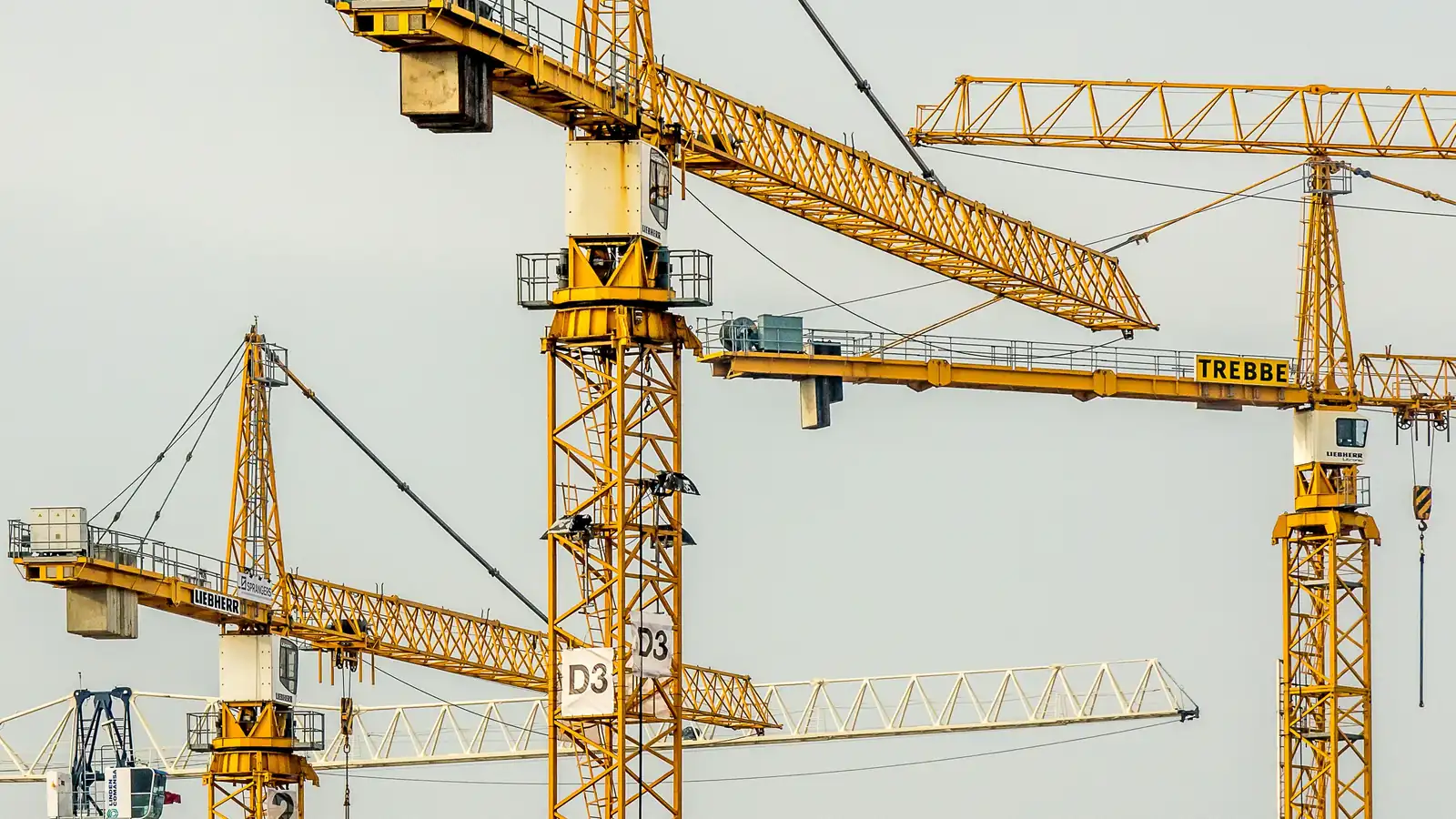
Photo: Mike van Schoonderwalt / Pexels
How to Apply and What Happens Next
The process is short once the four things above are confirmed, whether it's one excavator or a full plant list. Tell us what you're financing and your business circumstances, we structure the finance and match it to the right lender, and an indicative term sheet comes back within 24–48 hours. Accept it, and funding typically follows within days — settlement can happen in as little as 72 hours once terms are signed.
You can start online through our asset finance application, or call and talk it through directly first if the deal covers more than one machine. Either way, the answer comes from someone who's actually looked at your file, not a calculator guessing at your rate.
Construction equipment financing isn't one product — it's asset finance shaped to whatever's rolling onto the site, one excavator or a full plant list. Confirm the machine, the entity, and the numbers, and the rest moves fast. A stuck credit committee doesn't move a job site forward — call us before the deadline does the deciding for you.