


A second mortgage on commercial property in New Zealand lets you unlock equity sitting in your building without touching or refinancing your existing first mortgage. If you have a favorable fixed interest rate on your primary bank loan, breaking that entire facility just to raise working capital or fund an expansion rarely makes financial sense. A second mortgage sits behind the main bank as a second-ranking security, injecting immediate liquidity into your business.
In commercial property lending, banks operate on rigid policy boxes. When you ask your main bank for an extra $500,000 top-up to seize a business opportunity, their answer often gets delayed in credit committees or declined on debt-to-income servicing tests. Specialist non-bank lenders view the transaction differently: they assess the real equity headroom in your commercial asset and the strength of your exit strategy.

Photo: Bia Limova / Pexels
What a Commercial Second Mortgage Actually Is
When you purchase commercial property, your primary lender registers a first mortgage on the Certificate of Title with Land Information New Zealand. That gives them legal first call over sale proceeds if the property is liquidated.
A second mortgage is an additional registered charge that ranks directly behind the first lender. If the building is sold, the first mortgage is settled in full, and the second mortgage lender is repaid from the remaining net proceeds.
Because the second lender takes a subordinated position, their risk is slightly higher. In return, second mortgage facilities are built for speed and flexibility: term lengths range from 3 to 24 months under our short-term commercial loans, with loan sizes from $50,000 to $10,000,000+.

Photo: RDNE Stock project / Pexels
Why Release Equity with a Second Charge Instead of Refinancing
Borrowers often ask whether they should simply refinance the whole property with a new lender. While full refinancing works well when your current terms are uncompetitive (see our guide on commercial mortgage refinance in NZ), a second mortgage is superior in four distinct scenarios:
Securing working capital or business expansion
Funding a major commercial inventory purchase, buying out a business partner, or opening a new operating site without waiting months for bank credit committees.
Settling urgent tax or IRD liabilities
Paying an unexpected provisional tax bill, GST assessment, or cleared IRD payment arrangement to keep the company clean and avoid compounding interest penalties.
Property renovations and tenant fit-outs
Upgrading a commercial or industrial building to lift rental yield or secure a high-quality anchor tenant, increasing the property valuation at completion.
Bridging a shortfall on a new purchase or development
Closing a cash-to-complete gap when buying another commercial asset or completing site works before long-term take-out finance draws down.
Preserving a low-cost first mortgage is the biggest financial driver. If you have a $2,000,000 first mortgage locked at a favorable rate with an Australian-owned trading bank, refinancing the whole $2,500,000 to a non-bank lender to access $500,000 in equity increases your interest bill across the entire balance. Adding a short-term second mortgage isolates the higher rate to just the $500,000 you actually need.
Leaving lazy equity trapped in a building while waiting six months for a bank decision is costlier than paying non-bank interest for a short period. As we often say, waiting on a bank committee when a time-sensitive deal is on the table is a more ambitious strategy than my golf handicap.
Calculating Equity and Max LVR: How Much You Can Borrow
Lenders calculate your borrowing capacity based on the combined Loan-to-Value Ratio (LVR) across both mortgages. On commercial and industrial properties, maximum combined gearing is generally up to 70% LVR. If you cross-secure with residential property, maximum gearing can extend up to 75%–80%.
Here is how the numbers work on a typical Auckland commercial building:
Worked Example: Commercial Equity Release
$3,000,000
$2,100,000
$1,400,000
$700,000
In this example, the borrower releases $700,000 in immediate liquidity without disturbing the $1,400,000 bank loan or paying early break fees to their primary lender.
Interest can be serviced monthly from business trading cash flow, or structured as capitalised interest. With capitalised interest, the interest for the anticipated loan term (e.g. 12 months) is deducted from the facility upfront or accrued to the balance, meaning zero monthly cash outflow while your project is completed.

Photo: Mikhail Nilov / Pexels
What Lenders Check Before Approving a Second Mortgage
Because non-bank lenders focus on property security rather than rigid corporate formulas, approval criteria are straightforward:
Sufficient headroom between the first mortgage balance and the current market value. Lenders typically lend up to 70% total combined LVR across both the first and second charges.
A realistic method to pay out the second mortgage by maturity — whether through refinancing the entire debt back to a main bank, property sale, or surplus business earnings.
Freehold commercial, industrial, retail, or mixed-use property with registered title in New Zealand. Unconsented alterations or structural defects must be disclosed upfront.
Proof that your business cash flow can service monthly payments, or a facility structured with capitalised or retained interest so no monthly outlay is required during the term.
Independent registered valuations from a recognized panel valuer (such as CBRE, Colliers, Bayleys, or TelferYoung) are typically required for commercial properties. If you already have a recent valuation completed within the last 3 to 6 months, lenders can often rely on it to save both time and cost.
Our core property finance team works directly with registered valuers and lenders across New Zealand to keep requirements sensible.
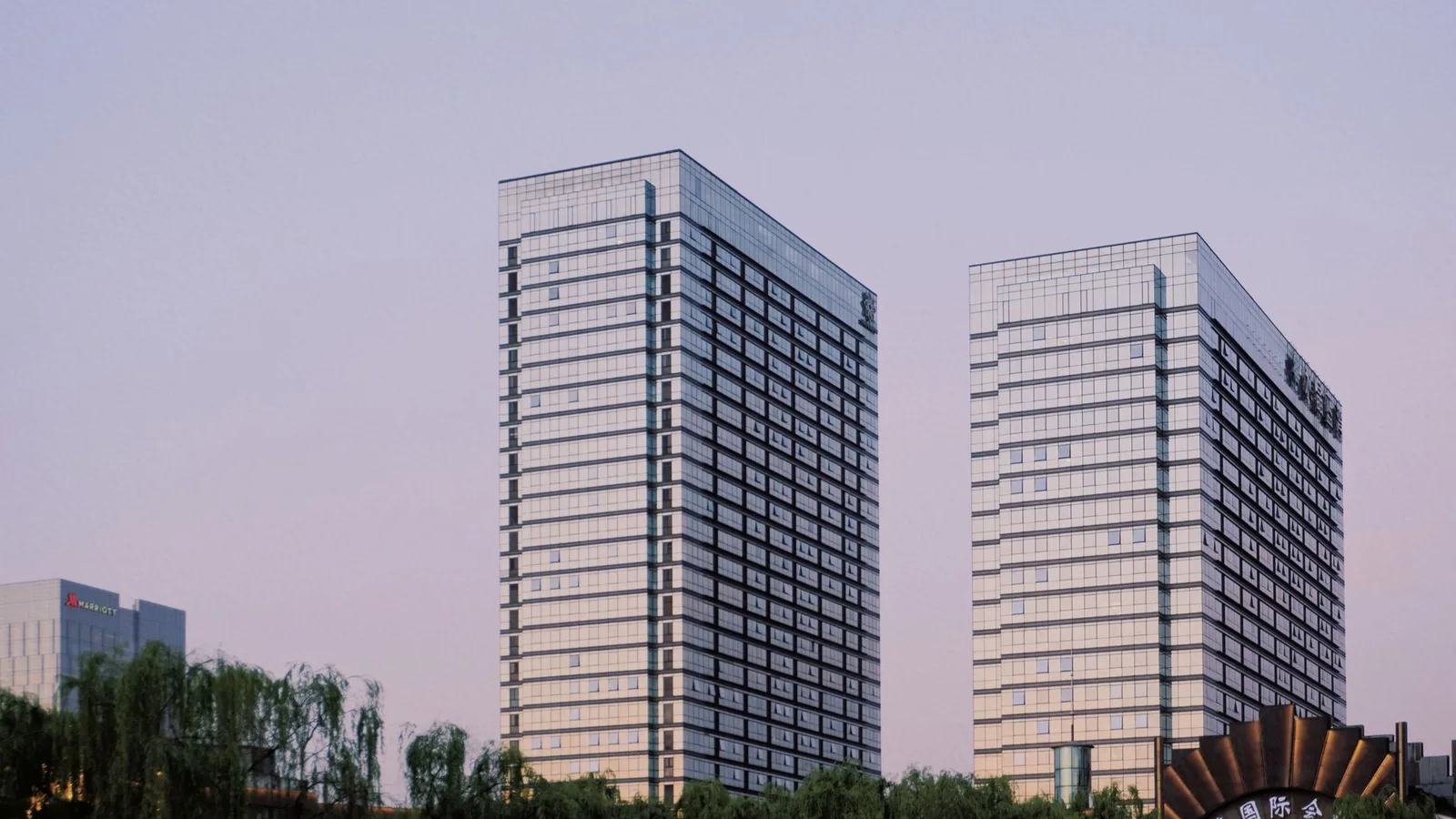
Photo: Jansen Liu / Pexels
Why the Exit Strategy Is Everything in Second-Ranking Debt
A second mortgage is not designed to sit on your balance sheet for 25 years. It is a bridge from where your business is today to where it will be in 6 to 24 months.
Every reputable lender in New Zealand will ask one fundamental question before approving a term sheet: How do you plan to repay this loan?
Three primary exit strategies satisfy non-bank credit criteria:
- Refinancing to a main bank: Once the new revenue from your business expansion appears in your annual accounts, or the property renovation is completed and revalued, we refinance both the first and second charges into a single long-term bank facility.
- Sale of the commercial property: If the funds are used to complete building works or reposition an asset for sale, the second mortgage is cleared directly from the sale settlement proceeds.
- Operational cash flow or asset sale: Retained trading profits, settlement of a major commercial contract, or the sale of secondary business equipment can clear the facility in full.
(Yes, your main bank's legal team moves at its own comfortable pace. No, they will not speed up just because your settlement date is next Tuesday.) Having a clean exit plan prepared upfront is what gets the term sheet signed and settled in days rather than months.

Photo: Pixabay / Pexels
First Mortgagee Consent, Deeds of Priority and Non-Bank Appetite
When registering a second mortgage, your existing bank is contacted by your solicitor to provide consent and execute a Deed of Priority. This legal agreement formally caps the first bank's priority amount (covering their loan balance plus an agreed buffer for interest and costs) and establishes the second lender's ranking.
Trading banks in New Zealand (such as ANZ, ASB, BNZ, and Westpac) typically consent to second mortgages provided their priority cap is protected and the borrower remains in good standing. Guidelines provided by the Reserve Bank of New Zealand govern bank capital settings, which is why banks themselves rarely offer second-ranking commercial loans directly.
Instead, New Zealand's non-bank lenders and institutional funds fund the majority of second mortgages. At AML Commercial, our panel includes 20 banks and non-bank lenders (7 banks and 13 non-bank lenders), plus direct access to private and institutional funding lines. This broad reach ensures we place your second mortgage with the specific lender whose appetite matches your security type.
For regulatory standards and financial licensing requirements, business owners can verify credentials through the Financial Markets Authority and official guidance on business.govt.nz.

Photo: Mikhail Nilov / Pexels
When a Second Mortgage Isn't the Right Call
An advisor who recommends the same loan product to every client isn't advising — they are selling. Second mortgages are powerful tools, but they are not the answer for every situation:
Your business has no realistic exit strategy
Second mortgages are short-to-medium-term instruments (typically 3 to 24 months). Taking on second-ranking debt without a clear plan to refinance or repay creates serious default risk.
Your combined borrowing exceeds 70% LVR
If your existing bank mortgage is already at 65% to 70% of the commercial valuation, there is insufficient equity headroom for a second charge without additional security.
You can easily refinance the whole facility at bank rates
If your financials are pristine and you are not locked into fixed terms, refinancing the entire loan with a single first-tier bank is generally cheaper than adding a second mortgage.
If your funding requirement is solely for purchasing machinery, vehicles, or commercial plant, taking out a second mortgage against your real estate is usually unnecessary. Our specialized asset finance options can fund up to 100% of the equipment purchase price secured against the asset itself, leaving your property equity untouched.

Photo: Vlada Karpovich / Pexels
How to Apply and What Happens Next
Applying for a commercial second mortgage through AML Commercial is simple and fast. There is no upfront fee for our initial assessment.
- Initial Conversation: You tell us about your commercial property, current first mortgage balance, and the capital you need to raise.
- Indicative Term Sheet (24–48 hours): We present a clear, plain-language term sheet detailing loan size, interest rates, lender fees, and exit conditions.
- Valuation and Due Diligence: We verify the property equity, review existing loan statements, and coordinate with the panel valuer if needed.
- Legal Documentation & Settlement (from 72 hours): Solicitors prepare the loan agreements and Deed of Priority, and funds are disbursed directly to your account.
Getting your business funding sorted doesn't happen by accident. If the bank has already said no once, don't ask them the same question twice. Give us a call — we'll structure the deal with a lender who understands commercial equity.