
Commercial Fitout Finance NZ: How to Fund Fitouts
How New Zealand businesses fund retail, hospitality, office, and medical fitouts without draining operating cash flow or getting blocked by bank red tape.

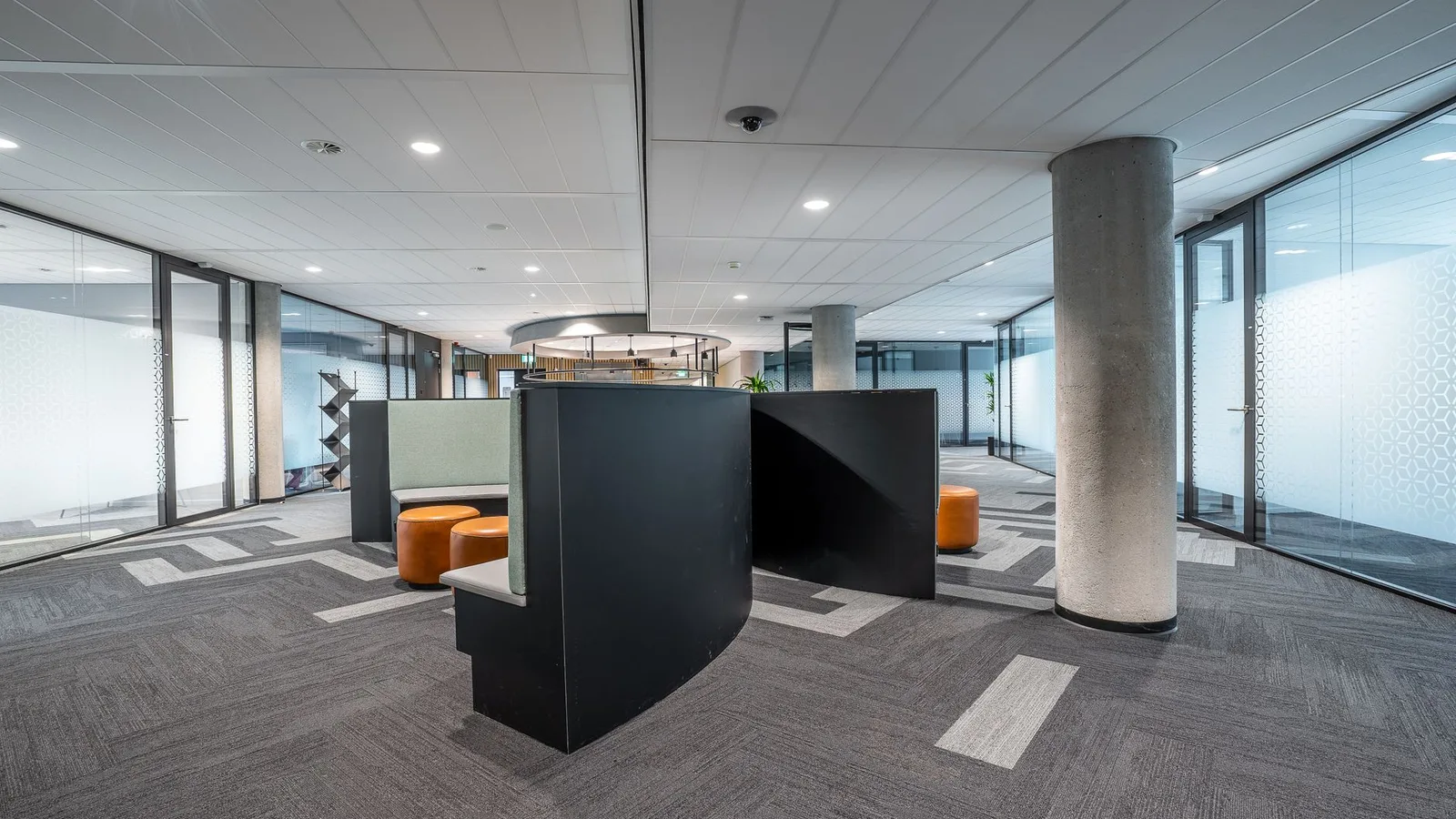
Photo: Mike van Schoonderwalt / Pexels
Building out a commercial tenancy is a bit like renovating a kitchen at home: the budget you start with is rarely the number you finish with, and asking the bank for extra cash halfway through is a great way to test your patience.
In New Zealand, commercial fitout finance is structured in two primary ways: asset and equipment finance covering up to 100% of purchase price for unattached gear (commercial ovens, dental chairs, IT hardware, workstations) with no property security required, or a secured commercial property facility ($50,000 to $10,000,000+) borrowing against property equity up to 70% commercial LVR (or 75%–80% residential) to cover hard structural alterations, custom joinery, electrical, and plumbing.
Instead of waiting weeks for a bank credit committee to decline custom leasehold improvements, specialist lenders can issue indicative term sheets in 24–48 hours and settle in as little as 72 hours.
On this page:
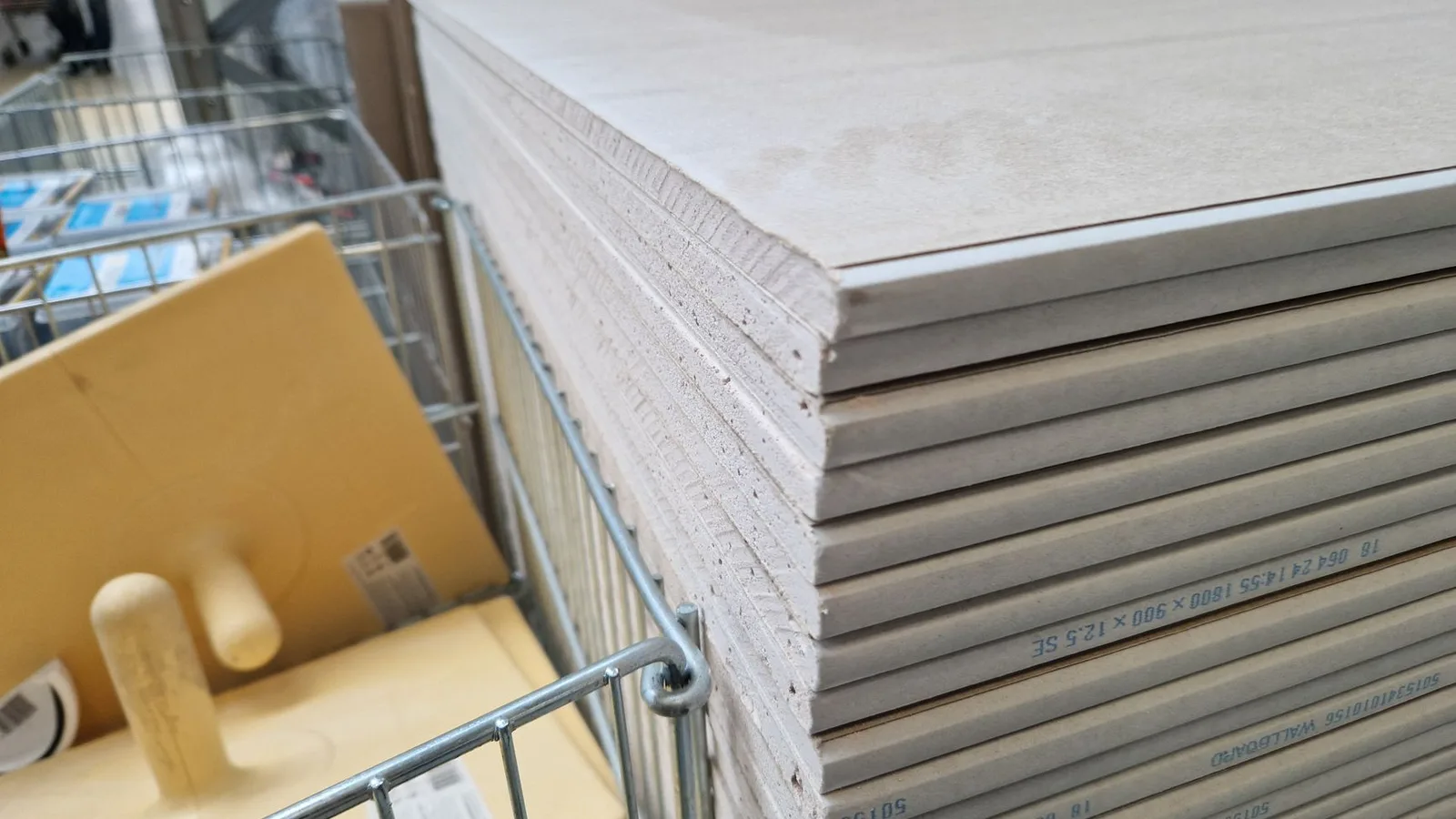
Photo: Pablo Fernandez / Pexels
Why Banks Struggle to Fund Commercial Fitouts
Nine times out of ten, when a business owner approaches their retail bank for a fitout loan, the credit manager hits the brakes. It has nothing to do with whether your cafe, dental practice, or agency is profitable. It comes down to collateral.
Banks lend against assets they can easily value and repossess. If you buy a commercial delivery van or a freehold warehouse, the bank registers a charge. If you default, they can sell the van or auction the building.
A fitout is different. When you spend $300,000 on acoustic ceiling baffles, custom laminate joinery, grease trap plumbing, and designer tile flooring inside a leased building, those improvements attach to the landlord’s premises. You cannot unscrew a plasterboard wall and sell it at auction.
Because traditional banks classify leasehold improvements as unsecured risk, they demand 100% hard property security or reject the application entirely. Non-bank lenders and specialized asset financiers look at the actual cash generation of the business and split the fitout into tangible equipment versus structural build costs.
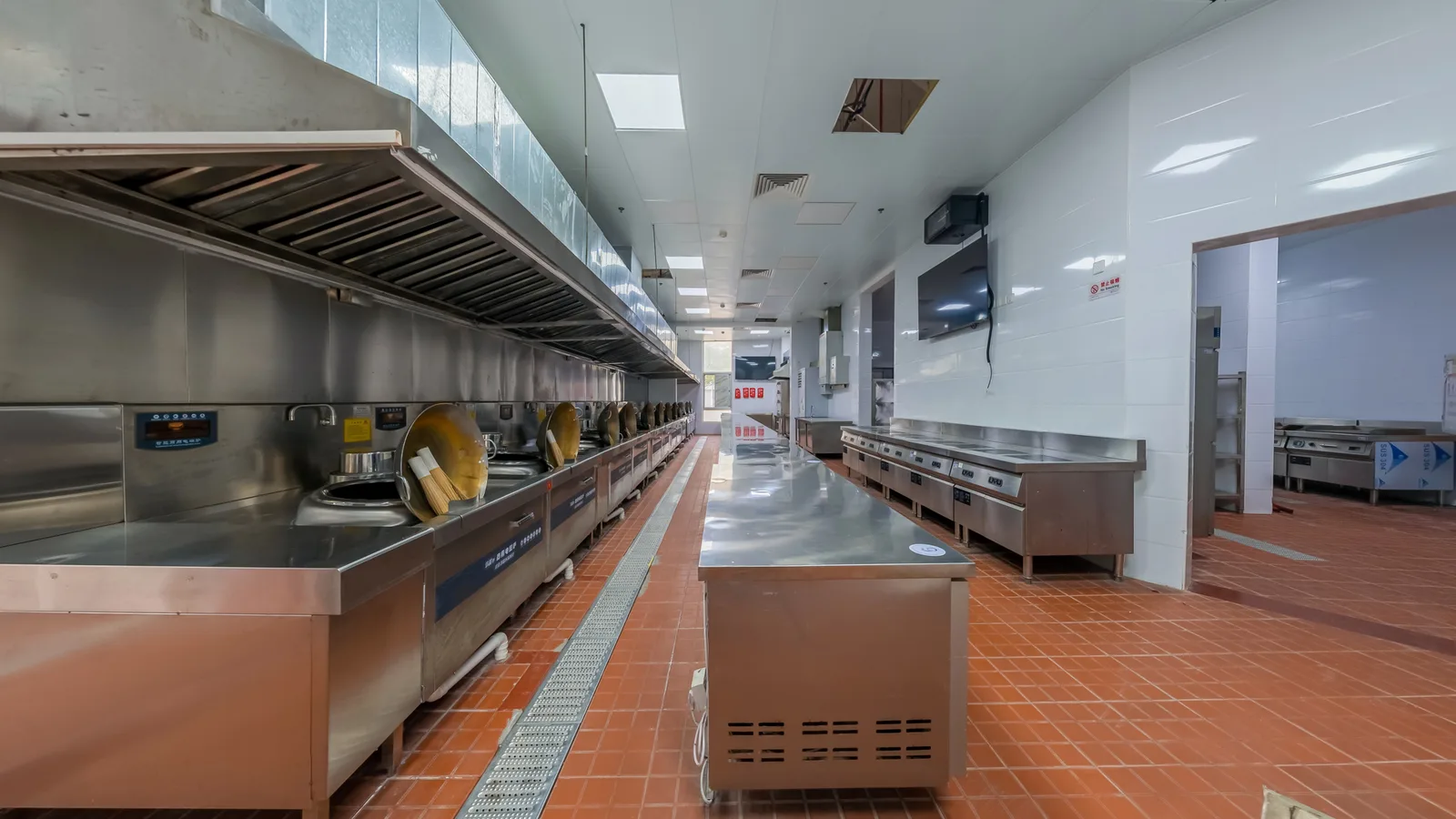
Photo: klgeoges / Pexels
The Two Ways to Structure Fitout Finance in NZ
Smart commercial structuring separates your fitout into two distinct buckets. Doing this keeps your cost of capital low and preserves your working cash reserves.
1. Asset & Equipment Finance (Up to 100% Funding)
Every item in your fitout that can be unbolted and wheeled out the front door belongs under asset and equipment finance. This covers commercial refrigeration, POS hardware, espresso machines, computer servers, medical chairs, and loose furniture.
- No property security required: The equipment itself serves as the security.
- Up to 100% of purchase price: Preserve your operational cash flow for working capital.
- Flexible terms: Structured over 2 to 5 years to match the useful economic life of the machinery.
2. Secured Property-Backed Commercial Facilities
For the "hard" fitout costs—demolition, framing, plumbing rough-in, HVAC ducting, electrical wiring, and builder labor—a property-backed short-term commercial facility or second mortgage is the cleanest solution.
- Facility size: $50,000 to $10,000,000+ backed by commercial property (up to 70% LVR) or residential real estate (up to 75%–80% LVR).
- Flexible repayment structures: Interest can be monthly serviced or capitalised into the loan so you make zero payments while the site is under construction.
- Fast drawdown: Release progress payments directly to licensed builders and trades to maintain project momentum.

Photo: Ron Lach / Pexels
What Can (and Can't) Be Financed in a Commercial Fitout
Whether you are opening a new flagship retail store on Ponsonby Road, fitting out a medical centre in Christchurch, or expanding a logistics office in Palmerston North, almost every component of a professional fitout can be funded.
Hospitality Fitouts (Cafes, Bars, Commercial Kitchens)
- Commercial combi ovens, extraction hoods, cooktops, and walk-in cool rooms
- Point-of-sale systems, beverage dispensing lines, and espresso machinery
- Dining furniture, custom bar joinery, and banquette seating
- Grease traps, commercial plumbing rough-ins, and non-slip commercial flooring
Corporate & Professional Office Fitouts
- Acoustic partitioning, glass meeting room dividers, and ceiling grids
- Executive desking, ergonomic task seating, and boardroom suites
- Server racks, structured Cat6 network cabling, and access control systems
- Commercial HVAC heat pump ducting, ventilation, and architectural lighting
Retail Stores & Showrooms
- Custom wall displays, shelving gondolas, and shopfront counters
- Security sensor gates, CCTV systems, and integrated payment counters
- Illuminated signage, track spotlighting, and display plinths
- Changing rooms, mirrors, storage shelving, and customer lounges
Medical, Dental & Healthcare Clinics
- Dental chairs, suction units, and sterilisation room autoclaves
- Medical consultation privacy partitioning and vinyl clinical flooring
- Reception counter joinery and patient waiting room furnishings
- Specialist diagnostic machinery and clinical lighting installations
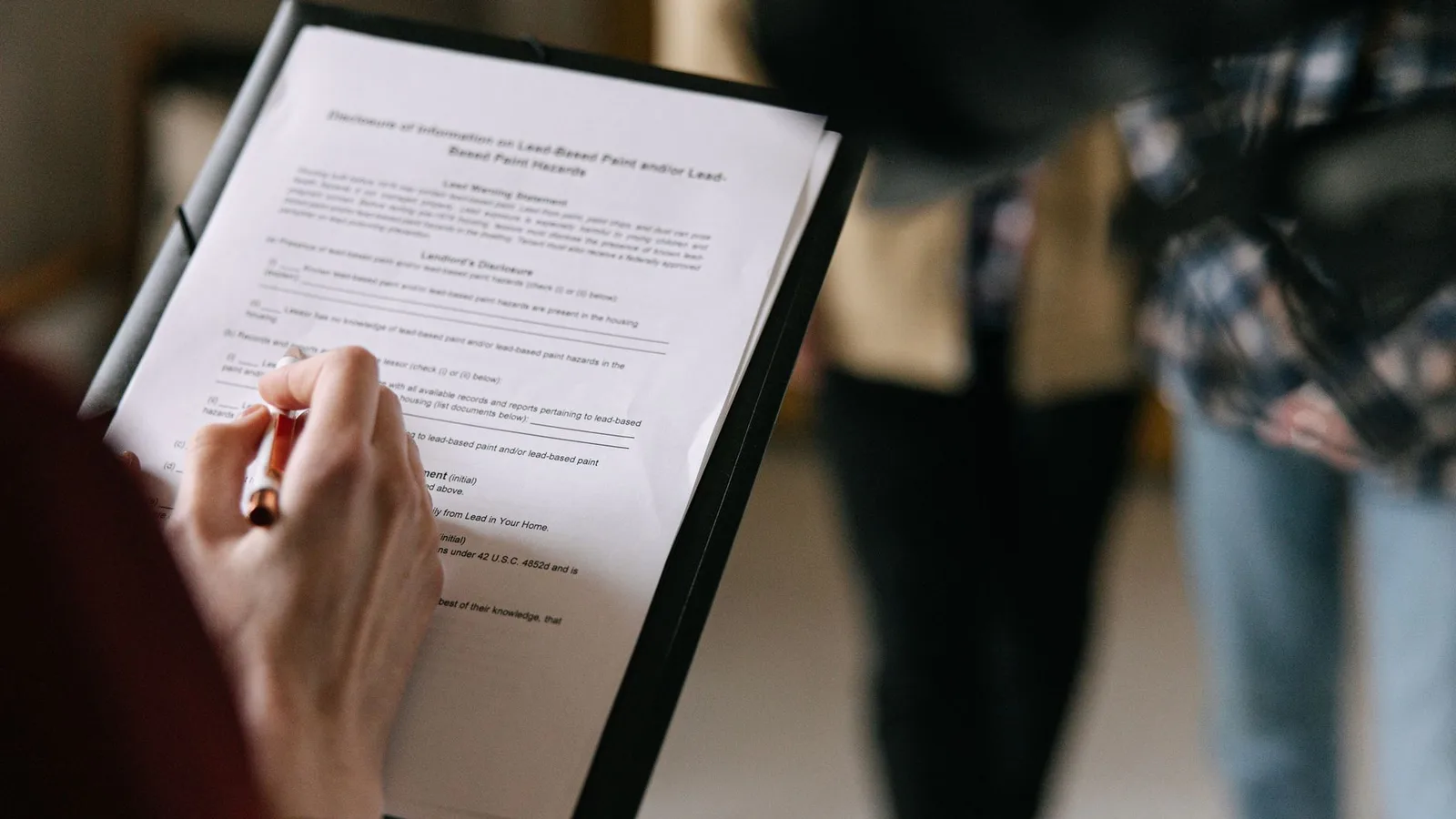
Photo: Ivan S / Pexels
Landlord Contributions, Leases, and Timing the Drawdown
In New Zealand commercial leasing, landlords frequently offer lease incentives to secure quality commercial tenants. These typically come in two forms: rent-free periods or direct capital fitout contributions.
If your landlord promises a $50,000 or $100,000 cash contribution upon completion, you face an immediate cash flow hurdle: builders require staged milestone payments during construction, but the landlord will not pay until Code Compliance Certificate (CCC) and final sign-off are delivered.
A short-term fitout bridging facility solves this exact timing gap. You draw down funds to pay suppliers and trades as the work progresses. Once the fitout is complete and the landlord releases the incentive funds, that cash repays the facility in full.
(Yes, landlords really do take weeks to process fitout refunds after you hand over the keys. Plan your facility buffer accordingly.)
Under guidance from business.govt.nz, ensuring your deed of lease and landlord alteration approvals are signed in advance is essential before contracting trades.
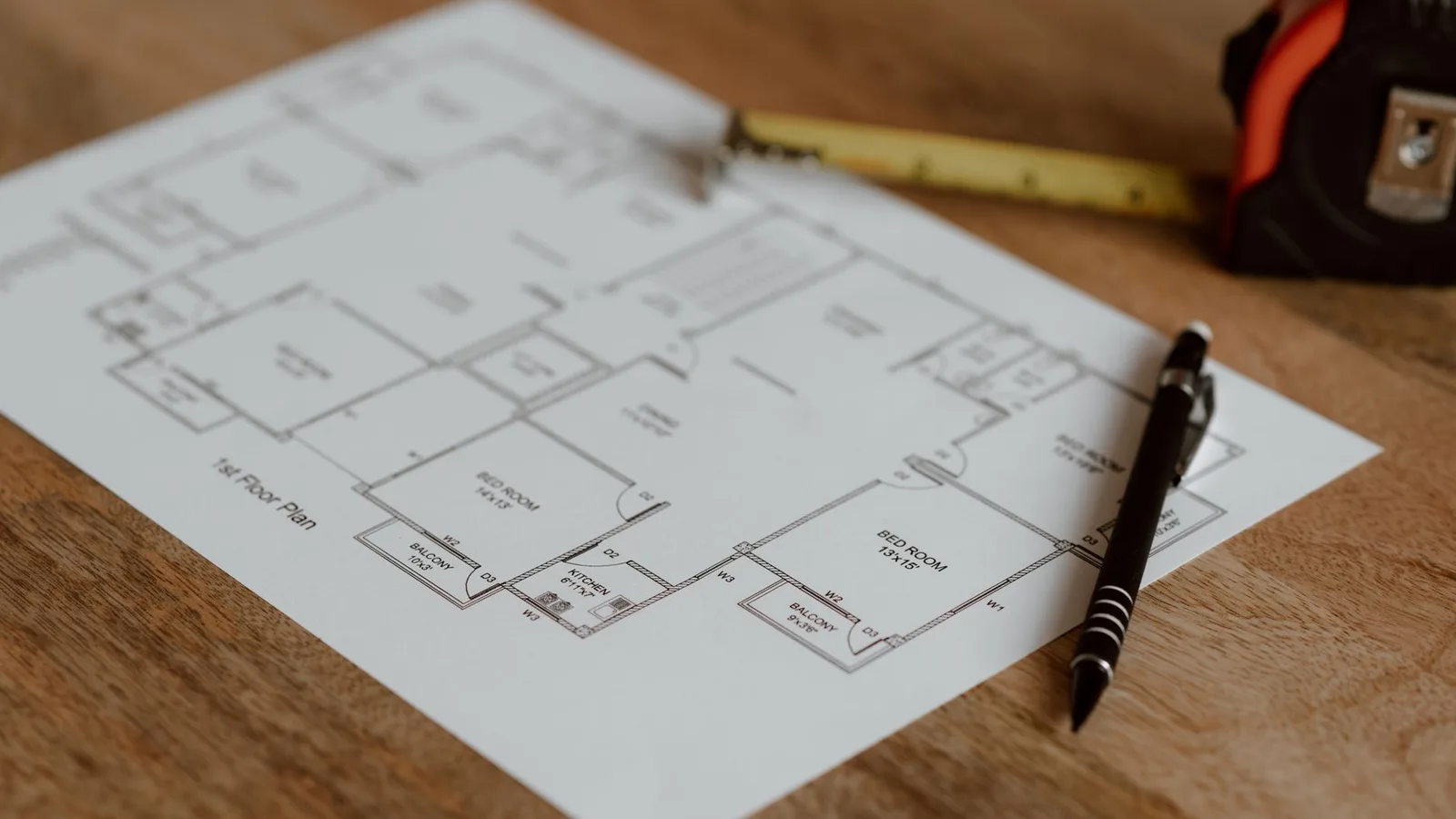
Photo: Anete Lusina / Pexels
What Lenders Need to Approve a Fitout Facility
Commercial lenders review fitout deals based on clarity and readiness. Having your paperwork organised before approaching an advisor cuts turnaround times from weeks to days:
Itemised Quotes & Contracts
Fixed-price builder contracts, supplier invoices for machinery, and architectural plans showing the total scope.
Signed Deed of Lease
Evidence of tenancy tenure matching or exceeding the proposed finance term, including landlord consent letters.
Financial Statements & GST
Recent 6–12 months of trading bank statements, GST returns, or revenue forecasts demonstrating repayment serviceability.
Repayment Mechanism
How the loan is cleared: regular business trading cash flow, landlord incentive refund, or refinance to long-term debt.

Photo: leyvaine davids / Pexels
Bank vs Non-Bank Lenders for Fitout Loans
Borrowers often assume an advisor will simply walk their file down to one of the Big Four banks. While banks offer competitive headline interest rates, their credit policies on fitouts are among the most restrictive in the market.
AML maintains active relationships across multiple banks and non-bank lenders across New Zealand. Here is how the lending landscape compares:
| Feature | Mainstream NZ Banks | Non-Bank & Asset Financiers |
|---|---|---|
| Approval Speed | 3 to 6+ weeks through committee | 24 to 48 hours for term sheets |
| Asset Finance Security | Requires general security agreement (GSA) or property charge | Up to 100% on machinery/equipment without property security |
| Leasehold Improvement Appetite | Very low; treated as unbacked risk | High; backed by business cash flow or property equity |
| Trading History Requirement | Strictly 2+ years of full accounts | Flexible: 6–12 months GST or asset-backed bridging |
| Drawdown Flexibility | Rigid stage milestone inspections | Fast progressive release to trades and suppliers |
Tax note: Under ird.govt.nz guidelines, depreciation rates on fitout assets vary depending on whether items are categorized as standalone plant or leasehold improvements.
Photo: Max Vakhtbovych / Pexels
When Fitout Finance Isn't the Right Fit
We believe in giving straight advice. There are scenarios where taking on commercial fitout debt is the wrong move for your business:
You want funding for a hobby or unviable concept
Lenders look for sound trading history or robust revenue projections backed by industry experience. A speculative venture with no capital runway will not pass credit.
Your commercial lease has less than 12 months remaining
Financing $200,000 of fixed leasehold improvements into a tenancy expiring in six months makes no commercial sense. Lenders require a lease term that comfortably exceeds the loan term.
You haven't obtained landlord consent for alterations
Every major fitout requires written landlord sign-off and relevant council building consents before funds can be released to contractors.
Straight Answers on Commercial Fitout Finance
FAQs
Can you get 100% finance for a commercial fitout in NZ?
Yes. Unattached chattels, plant, and equipment (such as commercial kitchen gear, POS systems, IT infrastructure, and modular furniture) can be funded up to 100% of the invoice price via asset finance with no property security required. For hard construction and custom joinery attached to the building, funding is typically secured against equity in commercial or residential property.
Why do mainstream banks decline commercial fitout loans?
Mainstream banks prefer physical assets with reliable secondary market resale value. Fixed leasehold improvements like plasterboard walls, custom joinery, and plumbing become part of the landlord’s building upon installation. If a business defaults, a bank cannot easily repossess a wall, which is why non-bank lenders and specialized asset facilities fund these projects instead.
How long does it take to get fitout finance approved and funded in NZ?
Indicative term sheets are issued within 24–48 hours from receiving your application and contractor quotes. Once documentation and terms are finalized, disbursal can take place in as little as 72 hours to meet contractor deposit milestones.
Can I combine equipment leasing and property-backed fitout finance?
Yes. Many business owners finance movable machinery (ovens, dental chairs, workstations) through asset finance up to 100% of purchase price, while using a property-backed second mortgage or short-term commercial facility ($50,000 to $10,000,000+) to fund builders, plumbers, and joiners.
What happens to the fitout if I move premises or the lease ends?
Movable equipment under asset finance remains your property (or the financier’s security) and can be relocated. Fixed leasehold improvements typically stay with the landlord’s building under standard NZ lease "make-good" clauses, which is why matching facility terms to your lease duration is critical.
How does fitout finance affect business tax and depreciation in NZ?
Interest on commercial fitout loans is generally deductible as a business expense, and standalone equipment or leasehold improvements can be depreciated under Inland Revenue (IRD) asset schedules. Consult your chartered accountant to structure asset ownership and claim GST correctly.
Written by Kundan Singh
Commercial Finance Specialist • FSP 512966
Kundan founded AML Commercial in 2017 to provide New Zealand business owners with direct, transparent access to commercial property, asset, and development finance. Based in Auckland and operating nationwide, AML has settled 200+ commercial transactions across 20 bank and non-bank lenders.