


Food truck financing in New Zealand can fund the truck and the kitchen inside it — fit-out, fridges, and all — usually up to 100% of the cost, with the asset itself as security. (No, "the asset" doesn't mean the secret recipe. That part stays yours.) The catch most new operators hit isn't the truck — it's proving a business that hasn't traded yet can service the repayment. Here's what a lender actually wants to see, what the compliance side looks like, and when this isn't the right call at all.
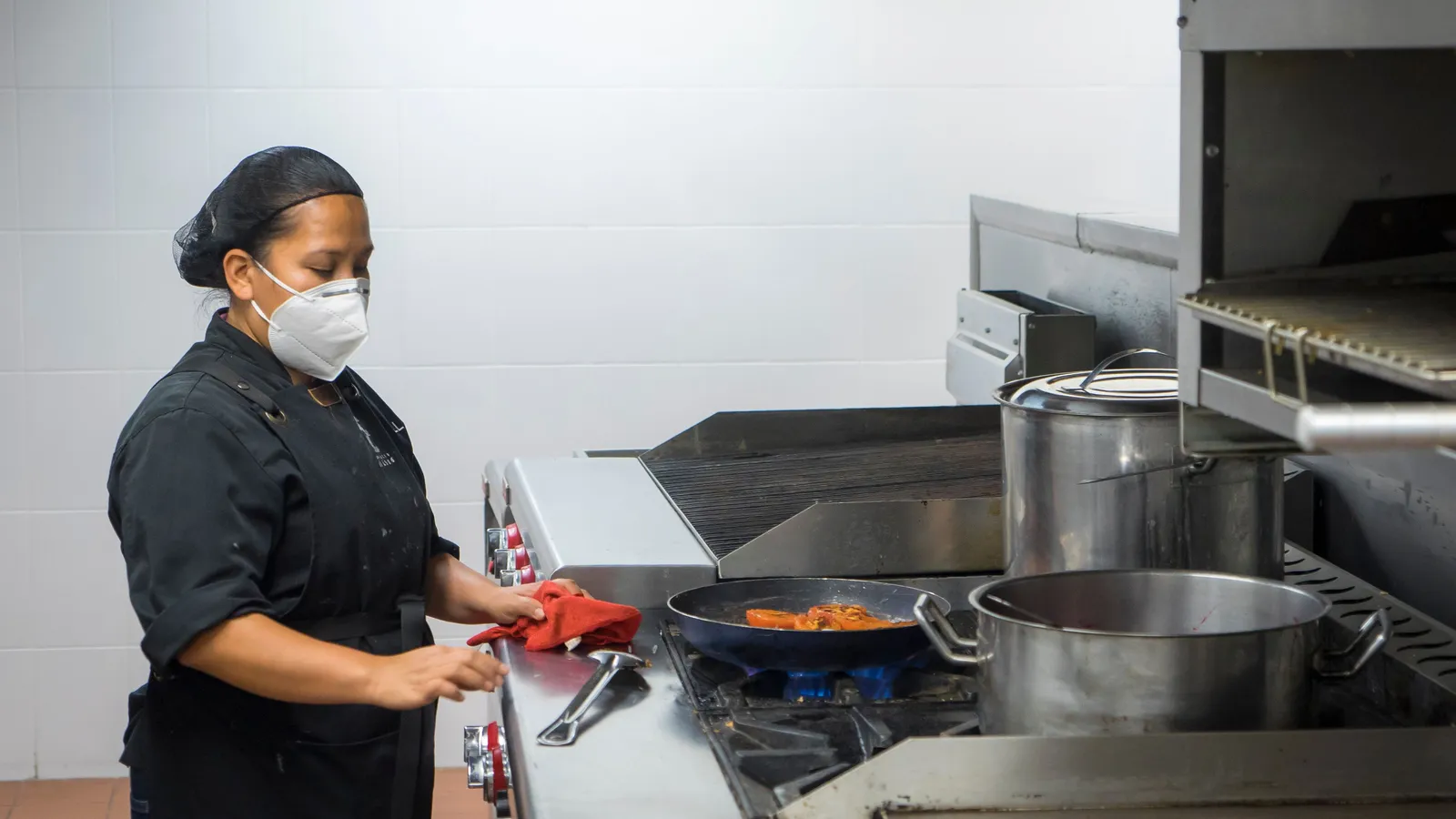
Photo: Luis Becerra / Pexels
What Food Truck Financing Actually Covers
Food truck financing is a form of asset finance — the same category that covers utes, vans, and other commercial vehicles. The difference is what's inside it. A food truck's value isn't just the chassis; it's the fridges, the fryers, the extraction hood, and the POS system that turn a van into a working kitchen. A properly structured facility funds the vehicle and the fit-out together, as one asset, with that asset as the security — not your house or business premises.
It covers new and used trucks and trailers, and the structure is usually hire purchase — you own the rig outright once the final payment clears. This is a different animal from general truck finance, which is priced around a freight or logistics vehicle with no kitchen build to account for. The full breakdown of how asset finance works sits on our asset finance page — this post is about what it actually takes to get a food truck approved.

Photo: RDNE Stock project / Pexels
Deposit, Loan Size & Term: Why There's No Fixed Grid
Short answer: facilities can be structured to fund up to 100% of the purchase price, truck and fit-out included, so you may not need to put any cash down at all. There's no published rate card or fixed loan-size band for this — and any site that hands you one before it's seen your deal is guessing. What actually moves the numbers:
- The age, condition, and resale value of the truck or trailer itself
- Whether the kitchen fit-out is new or second-hand, and how specialised the equipment is
- Whether the business is pre-trading or already has income coming in
- The term you’re asking for, matched to the truck and equipment’s useful life
- Bank versus non-bank lender — different appetite, same asset
Every financier in this space promises "flexible terms" in the brochure. A menu promises "market price" too — both mean the real number shows up once someone's actually looked. The only figure worth acting on is the one on an indicative term sheet built around your deal, which comes back in 24–48 hours.

Photo: Mikhail Nilov / Pexels
What Qualifies You for Food Truck Financing
Every lender wants to see the same four things, weighted differently depending on whether it's a bank or a non-bank underwriting the file — and weighted differently again if the business hasn't opened yet.
- The asset. The truck or trailer’s age and condition, plus the kitchen equipment inside it — fridges, fryers, extraction, POS. The newer and more standard the build, the easier the security is to price.
- The entity. Company incorporation, plus valid ID for every director and guarantor. For a first-time food truck operator, this is usually a brand-new company with no trading history yet.
- The numbers. Without trading history to point to, a lender leans on your own experience, a realistic cash flow forecast, and your personal financial position — not just the truck’s price tag.
- The use. A full-time mobile catering business prices differently to a weekend market stall run alongside a day job. Be upfront about which one this is.
I've been doing this since 2017, and a genuinely thought-through cash flow forecast for a food truck still catches my attention faster than the truck itself does. If you need to confirm your own company's standing before you apply, the Companies Register is the place to check it, not a guess. Get these four in order before the first call and a term sheet turns around in 24–48 hours.

Photo: RDNE Stock project / Pexels
Food Safety & Council Sign-Off: What Lenders Want to See
This is the bit most finance guides skip, and it's the bit that actually holds up a food truck deal. A truck sitting in the yard with no legal way to trade isn't much of a security — a lender wants confidence the business can open its doors, not just that the vehicle drives.
Under the Food Act 2014, most food trucks need a Food Control Plan covering everything from suppliers to cooking temperatures, plus registration with the relevant council. If the fit-out runs on LPG, the installation needs sign-off from a licensed gasfitter before it's legal to cook on. Some councils also require a separate trading licence to operate in public spaces, on top of the food registration itself.
None of this needs to be finished before you apply for financing — but having a plan for it, rather than discovering it mid-negotiation, is what separates a deal that settles in days from one that stalls for weeks. The Ministry for Primary Industries sets out exactly what's required, and it's worth reading before your first conversation with a lender, not after.

Photo: Kampus Production / Pexels
Bank or Non-Bank: Who Actually Says Yes for a New Business
A pre-trading food truck business is exactly the kind of file a bank's credit committee doesn't sit with easily — no trading history to point to, moving at the pace of a lunch queue during a rush. That doesn't make it a bad deal. It makes it the wrong deal for that particular lender's checklist.
Non-bank and second-tier lenders aren't a fallback for when a bank says no — for a new operator with a solid plan and the right security, they're often the right first call. We hold relationships across multiple banks and non-bank lenders, so the file goes to whoever's actually going to look at a new business on its merits, not whoever we happen to know. An indicative term sheet on the right file still comes back in 24–48 hours, and settlement can follow in as little as 72. You can check any advisor's licensing on the Financial Service Providers Register — ours is FSP 714331.

Photo: Askar Abayev / Pexels
When Food Truck Financing Isn't the Right Call
Worth ruling these out fast rather than losing a week finding out the hard way.
- It’s a weekend hobby, not a business. An occasional market stall or a friend’s wedding gig isn’t asking a lender to underwrite an income-earning business — that’s a different conversation entirely, not asset finance.
- You actually need funds secured against property. If the truck is really an excuse and what you’re after is capital against a building or land, our property finance page is the better starting point.
- You can’t show a credible plan to service it. No lender says yes to a food truck it can’t see repaid — doubly true for a pre-trading business. Get the cash flow numbers worked out before the first call.
None of this is written to talk you out of calling. It's written so the first call is useful instead of a fishing trip.

Photo: Ketut Subiyanto / Pexels
How to Apply and What Happens Next
The process is short once the four qualifying points above are in place. Tell us what you're financing — truck, trailer, and fit-out — and your business circumstances, we structure the deal and match it to the right lender, and an indicative term sheet comes back within 24–48 hours. Accept it, and funding typically follows within days.
You can start online through our asset finance application, or call and talk it through directly if your plan has a wrinkle in it — a new business usually does, and that's fine. Either way, the answer comes from someone who's actually looked at your file, not a calculator guessing at a rate.
A food truck doesn't sell its first burger on a good recipe alone — it needs the truck, the kit, and the compliance sorted before opening day, ideally all moving at once rather than one after another while your first booking gets closer. Give us a call and let's find out what your file actually looks like.