

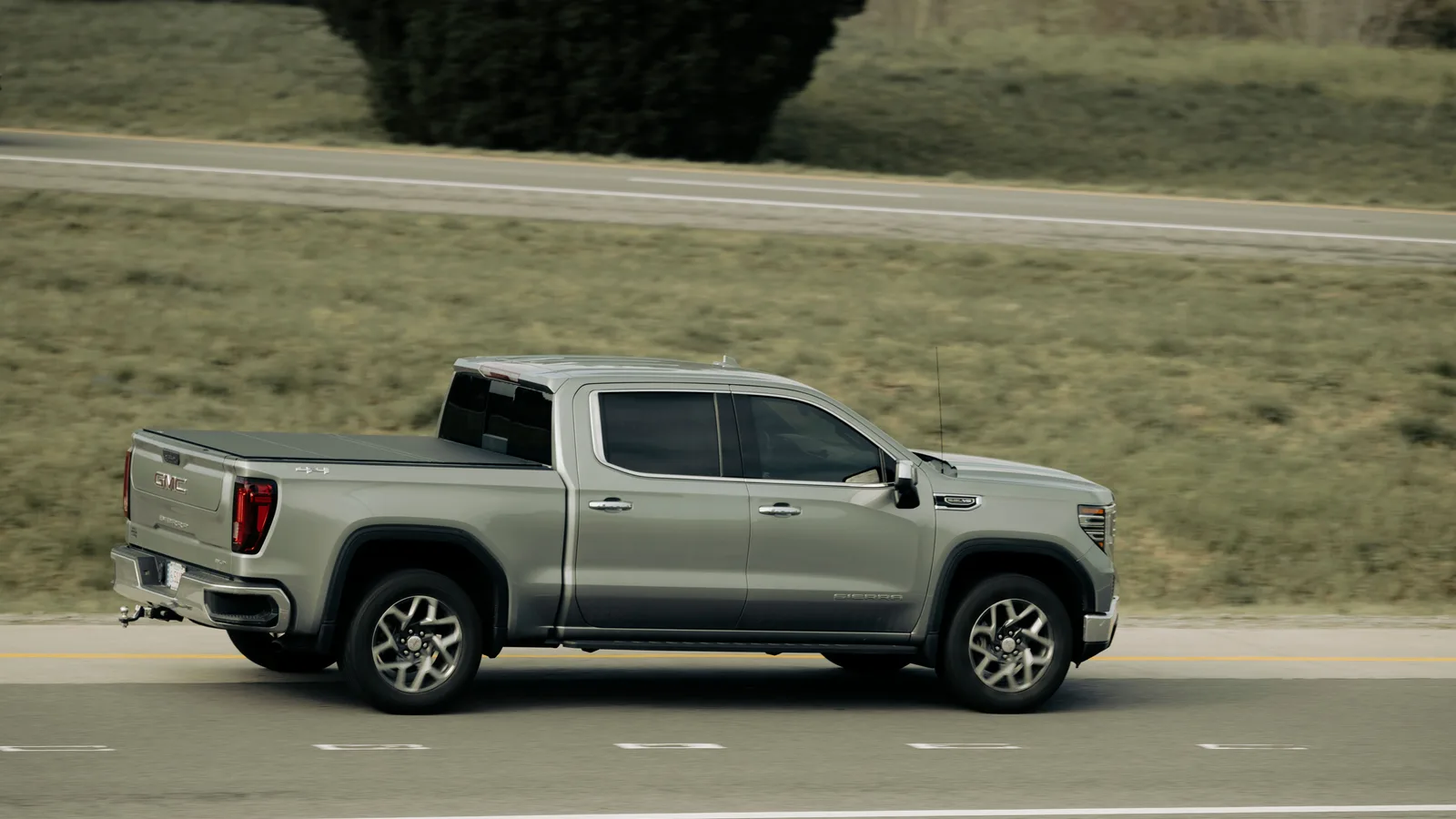
Ute finance in New Zealand funds up to 100% of a ute's purchase price, with the ute itself as the lender's security — no property required, and for plenty of buyers, no deposit either. (Yes, really. No, the lender doesn't skip checking your books because of it.) It comes down to the same things every time: what you're buying it for, what you can show the lender, and how the numbers stack up. Here's what actually qualifies, what changes between new and used, and when a ute isn't the right thing to finance at all.
Photo: Gustavo Fring / Pexels
What Ute Finance in NZ Actually Covers
Ute finance is a form of asset finance — the same category that covers trucks, vans, trailers, and other commercial vehicles and equipment. Instead of the loan being secured against your house or business premises, the ute itself is the security. The asset carries the risk, not your other property.
For a lot of tradies, a ute is half work vehicle, half personality trait — we can only finance the first half. What matters to a lender is the second one: is this ute actually earning its keep for the business, or is it mostly doing the school run with a tool box in the back? That distinction shapes which lenders will look at the deal and how it gets priced.
Structures vary. Hire purchase — where you own the ute outright once the final payment clears — is the most common, though a lease-style structure can suit a business that turns its fleet over every few years. It's a smaller, faster cousin of truck finance, sized to a ute instead of a fleet vehicle — the full breakdown sits on our asset finance page. Still deciding between a ute, a van, or something bigger? Our commercial vehicle finance guide compares all three. This post is about what it takes to get it approved.
Photo: Robert So / Pexels
New vs Used, Deposit & Loan Term: Why There's No Fixed Grid
Short answer: many facilities are structured to fund up to 100% of the ute's purchase price, whether it's new from a dealer or used through a private sale, so you may not need to put any cash down at all.
There's no published rate card or fixed loan-size band, and any site that hands you one is guessing before it's seen your deal. What actually moves the numbers:
- The ute's age, make, and condition — a late-model dual-cab prices differently to a tired ten-year-old
- Whether you’re GST-registered and how the purchase is structured
- New from a dealer, or used through a private sale
- The term you're asking for, and how it lines up with the ute's useful working life
- Bank versus non-bank lender — different appetite, same asset
Every yard sign promises "no deposit needed." So does every furniture store around Boxing Day. The number worth acting on is the one on an indicative term sheet built around your actual ute and your actual numbers — ours comes back in 24–48 hours.

Photo: Mikhail Nilov / Pexels
What Qualifies You for Ute Finance in NZ
A shiny ute doesn't impress a credit committee — a clean set of financials does. Every lender wants to see the same four things, just weighted differently.
- The asset. The ute's age, condition, and resale value — the newer and more common the make, the easier the security is to price.
- The entity. Company incorporation or trust deed, plus valid ID for every director and guarantor.
- The numbers. Your business's financial position and its ability to service the repayment, not just the ute's price tag.
- The use. Business use versus personal use. A ute earning its keep on job sites prices differently to one that mostly does the school run.
Here's my honest opinion, from doing this since 2017: get your financials in order before you approach anyone, not after. Half the delay I see in commercial and asset finance is a business scrambling for the last two years of accounts once the conversation's already started. Get the four things above ready before the first call, and a term sheet turns around in 24–48 hours. Miss one and the file doesn't get declined — it just stalls while someone chases the missing piece.

Photo: kaboompics.com / Pexels
The Tax Side: What's Worth Checking With Your Accountant
I'm a finance advisor, not an accountant, so this is general context, not tax advice — get the specifics confirmed by whoever does your books. But it's worth knowing the shape of it before you call them.
A ute bought for genuine business use can carry real tax considerations: GST on the purchase may be claimable if you're registered, interest on the finance may be deductible as a business expense, and depreciation can apply to the asset itself. How much of that applies to you depends on your business structure, how the ute's actually used, and rules that sit with Inland Revenue, not with us. Get that side settled alongside the finance, not as an afterthought once the ute's already on the yard.

Photo: Felicity Tai / Pexels
Bank or Non-Bank: Who Actually Says Yes
Every advisor says they've got "access to multiple lenders." So does a phone book, technically. What actually matters is how many of them will look seriously at a ute deal from a new or seasonal business.
We hold relationships across 20 banks and non-bank lenders — seven banks, thirteen non-bank — plus non-panel access to institutional funders. A bank works from a standard credit policy. A non-bank lender assesses the file in front of it, which matters for a ute deal from a business that's new, seasonal, or self-employed. An indicative term sheet on the right file comes back in 24–48 hours, and funding can follow in as little as 72. You can check any advisor's licensing yourself on the Financial Service Providers Register — ours is FSP 714331.

Photo: Jonathan Cooper / Pexels
When Ute Finance Isn't the Right Call
Worth ruling these out fast rather than losing a week finding out the hard way.
- Buying for personal use, not business. This is asset finance for a commercial or income-earning use, not a private run-around — a bank or dealer finance is the right call there.
- You actually need funds secured against property. If the ute's just the excuse and what you're really after is capital against a building or land, our property finance page is the better starting point.
- You can't show the numbers to service it. No lender says yes to a ute it can't see repaid, no matter how good the deal on the ute itself is. Get the financials in shape first.
None of this is written to talk you out of calling. It's written so the first call is useful instead of a fishing trip. If you want general guidance on funding a growing business first, business.govt.nz is worth a look.

Photo: RDNE Stock project / Pexels
How to Apply and What Happens Next
The process itself is short once the four things above are ready. Tell us what you're financing and your business circumstances, we structure the finance and match it to the right lender, and an indicative term sheet comes back within 24–48 hours. Accept it, and funding typically follows within days — settlement can happen in as little as 72 hours once terms are signed.
The entity side is worth checking early too — if you need to confirm your own company's standing before you apply, the Companies Register is the place to do it, not a guess. You can start online through our asset finance application, or call and talk it through directly first if the deal's got a wrinkle in it.
Ute finance in NZ isn't complicated once someone's walked you through it — it's sized to the vehicle and the business behind it, not a generic band advertised online. Get the asset, the entity, and the numbers sorted, and the rest moves fast. If a bank's already said no, don't ask it the same question twice. Give us a call — plenty of the other nineteen lenders on our panel haven't even seen your file yet.