

In this guide
Why mainstream banks decline bare commercial land
Buying bare commercial land without pre-arranged finance is like trying to drive a golf ball off the fairway with a putter — you might get lucky, but nine times out of ten you end up stuck in the rough. When you approach a mainstream retail bank for a commercial land loan in NZ, the credit manager usually checks one thing first: passing tenant rent. Because an empty paddock, an unsealed transport yard, or a raw commercial site produces exactly zero dollars in lease income, traditional bank serviceability calculators fail on day one.
Mainstream banks are checklist lenders. If a property does not have a registered commercial lease, an established tenant covenant, or an immediate building contract ready to break ground within weeks, their internal policy categorises the deal as high-risk speculation. Even if they don't decline the deal outright, they will cap their lending at an aggressive 50% Loan-to-Value Ratio (LVR). That forces you to tie up half the purchase price in cash — capital you need for civil infrastructure, council development contributions, and architectural planning.
Specialist non-bank commercial lenders look at the asset through a different lens. They assess the underlying market value of the land, the District Plan zoning rules, and the strength of your eventual exit strategy. Through our panel of multiple banks and non-bank lenders (including 7 banks and 13 non-bank lenders), short-term commercial loans can fund up to 70% LVR on commercial land, with indicative term sheets issued in 24–48 hours and settlement completed in as little as 72 hours.

Photo: anurag upadhyay / Pexels
Zero Passing Rental Income
- Mainstream banks underwrite commercial mortgages based on existing tenant rental cash flow and lease terms
- Bare land produces $0 in weekly rent, meaning traditional debt service coverage ratios (DSCR) fail immediately
- Banks will demand that you service the entire mortgage out of external business cash flow or PAYE salary
- Non-bank specialist lenders assess the underlying equity value of the real estate and the strength of your exit plan
Strict 50% Bank LVR Haircuts
- When mainstream trading banks do consider vacant land, they typically cap lending at a restrictive 50% LVR
- Requiring a 50% cash deposit locks up substantial working capital that could otherwise fund civil works or planning
- If market conditions shift or an updated valuation comes in soft, the bank may reduce their offer further
- Specialist non-bank lenders fund up to 70% LVR on commercial land (or 75%–80% with residential cross-collateral)
Resource Consent and Zoning Uncertainty
- Banks treat unconsented land as speculative, demanding approved resource consents before releasing loan funds
- Council planning processing times across Auckland and regional New Zealand can stretch out for months
- Opportunities to acquire prime land off-market or at auction cannot wait for council planning departments
- Short-term commercial land loans fund the raw purchase immediately, giving you time to obtain full consents
Cash Flow Drag from Servicing Debt
- Paying monthly principal and interest on an idle piece of dirt drains cash from your core operating business
- Holding land for 12 to 24 months during civil design or pre-leasing creates significant cumulative cash flow strain
- Non-bank facilities allow interest to be capitalised or retained directly inside the loan facility
- You make zero monthly interest payments during the holding term while value-add milestones are achieved
What commercial land qualifies for finance in NZ
Not all vacant land is treated equally. Lenders evaluate the physical zoning on the Record of Title under the local council District Plan (such as the Auckland Unitary Plan or Christchurch District Plan), access to infrastructure, and legal title quality recorded with Land Information New Zealand (LINZ). Here are the common commercial land categories that qualify for non-bank funding:
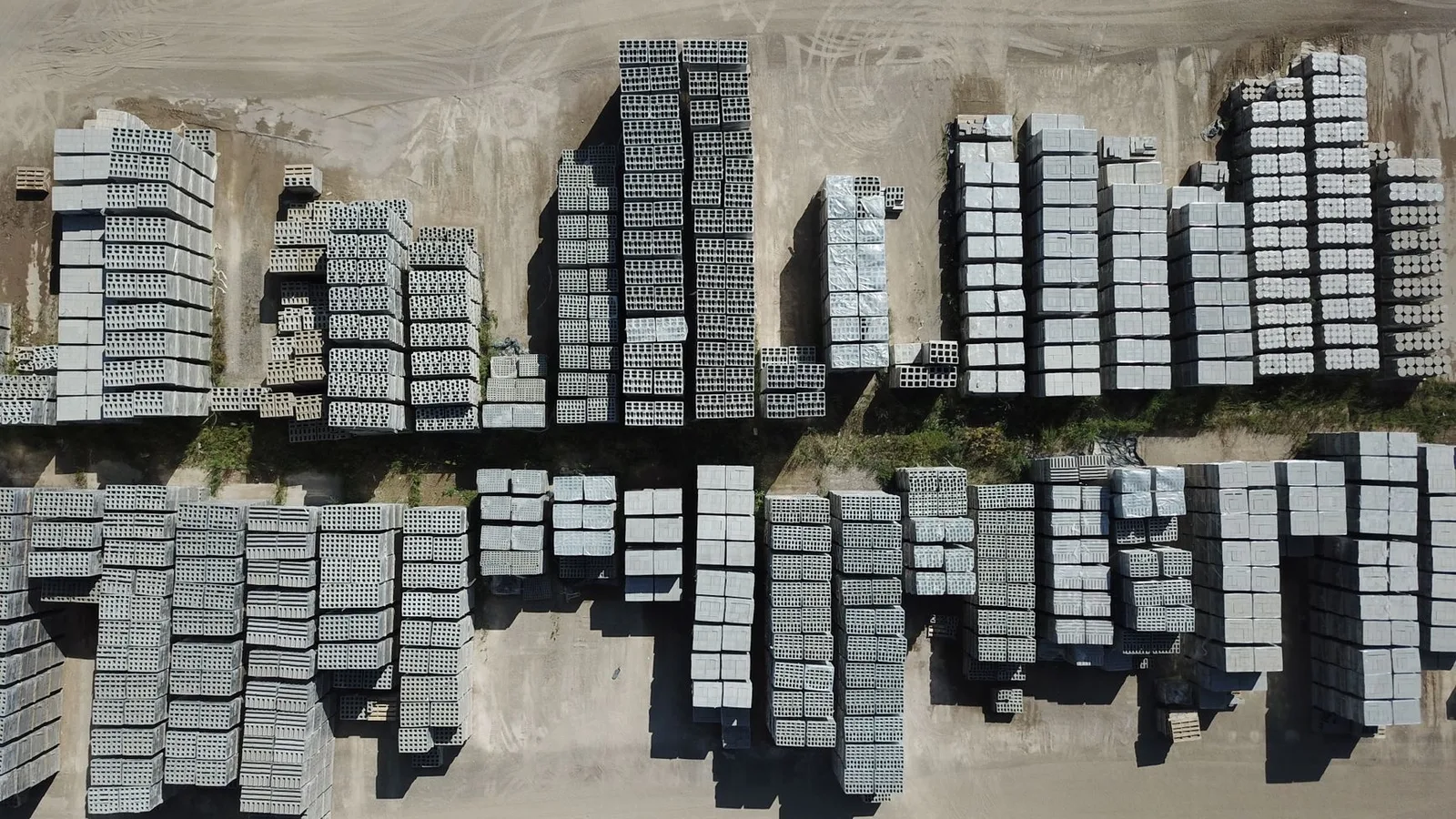
Photo: Giant Asparagus / Pexels
1. Industrial Yards & Logistics Transport Depots
Light industrial, heavy industrial, and logistics storage land in key freight hubs (like South Auckland, Mount Maunganui, Palmerston North, and Hornby). These sites are frequently purchased by civil operators, transport fleets, or container storage firms. Even if unpaved or without permanent buildings, heavy industrial zoning provides strong liquidity and high underlying land valuation.
2. Commercial Development Sites Awaiting Resource Consent
Parcels of land identified for commercial offices, trade retail units, medical centres, or mixed-use commercial developments. Investors use short-term land loans to secure the property unconditionally, then spend the next 6 to 18 months working through environmental planning, geotechnical surveys, and council consents without bank deadline pressure.
3. Future Urban & Commercial Subdivision Infill Sites
Urban boundary land and infill commercial sites slated for multi-lot subdivision. While mainstream banks demand pre-sales or pre-leases before providing a dollar of finance, non-bank land lenders advance funds against the existing raw land equity to finance the initial purchase or civil earthworks. (For end-to-end build funding, see our guide on property development finance).
LVR limits, facility sizing & capitalised interest
Because vacant land does not generate weekly rental cheques, structuring the loan correctly is the difference between a smooth acquisition and an operational headache. Here is how non-bank commercial land loans are structured across New Zealand:
Photo: Mr Alex Photography / Pexels
| Lending Parameter | Mainstream Retail Bank | AML Non-Bank Panel |
|---|---|---|
| Facility Size | Strict minimums; capped appetite for raw land | $50,000 to $10,000,000+ |
| Max Commercial LVR | Capped at 50% (rarely 55%) | Up to 70% commercial LVR |
| Cross-Collateral Gearing | Subject to strict CCCFA / servicing stress tests | Up to 75%–80% with residential security |
| Term Length | Demand immediate build start or 12-month limit | 3 to 24 months holding term |
| Interest Servicing | Monthly principal & interest from external cash | Capitalised, retained, or monthly serviced |
| Turnaround Time | 4 to 8 weeks through credit committees | 24–48h term sheet, 72h settlement |
The power of capitalised interest
When an investor buys an industrial yard for $2,000,000 at a 65% LVR ($1,300,000 loan), having to service monthly interest while generating zero revenue creates cash flow friction. With a non-bank facility, the interest cost for the agreed term (say, 12 months) is calculated upfront and built into the total facility limit.
You make zero monthly payments out of pocket. You can focus your capital on geotechnical reports, civil engineer retainers, or securing anchor tenants. When the property is refinanced or sold at the end of the term, the original loan amount plus the capitalised interest is cleared in one single payment.
What lenders require and four proven exit strategies
Non-bank lenders do not require two years of audited company accounts or tax returns showing massive net profits, but they do require a clear, logical story. Because short-term land loans run for 3 to 24 months, the lender wants to know exactly how they will get their capital back.

Photo: Gustavo Fring / Pexels
1. Exit via Construction & Development Finance
The most common path for development land. You use the short-term land loan to settle the site and complete architectural designs, engineering peer reviews, and resource consents. Once building consent is issued, the land loan is rolled directly into a progressive construction loan facility that funds the physical build.
2. Exit via Tenant Lease & Bank Takeout Refinance
Ideal for industrial storage yards, transport depots, or container logistics sites. Once you execute a long-term commercial lease with a reputable business tenant (e.g., 6 to 10 year lease with personal or corporate guarantees), the property now produces stable rental cash flow. Mainstream banks will then eagerly approve a standard commercial mortgage to take out the short-term lender.
3. Exit via Consented Land Resale (Value-Add Trading)
Commercial property syndicates and traders often purchase unconsented or raw land at a discount, secure resource consent for a multi-unit trade park or commercial subdivision, and then sell the consented site to a builder or end-user. The sale proceeds clear the land facility and capitalised interest in full, leaving the net profit with the borrower.
4. Transition to Long-Term Non-Bank Commercial Debt
If you plan to land-bank the asset for multi-year capital appreciation without building immediately, you can transition from a short-term bridge to a long-term non-bank commercial loan with terms spanning 20 to 30 years, freeing your balance sheet from rigid annual bank reviews.
When a commercial land loan isn't the right fit
An honest advisor will tell you when a deal makes sense and when it doesn't. If an advisor claims they can fund any piece of land anywhere in the country with zero equity, walk away. Here is where commercial land finance will not fit:

Photo: Kampus Production / Pexels
Speculative rural land with zero zoning or infrastructure path
Commercial land loans require a clear, commercially viable route to zoning, infrastructure servicing, or development. Remote lifestyle acreage or rural blocks with no infrastructure and no future urban zoning do not fit commercial lending parameters.
Borrowers seeking 100% funding with no cash or property equity
Commercial land lending requires a solid equity foundation. Lenders provide up to 70% LVR on commercial land (or up to 75%–80% when cross-collateralised against unencumbered residential property). If you have zero capital and zero equity, a land loan will not proceed.
Unrealistic exit plans with no refinance or resale horizon
Short-term commercial land loans run for 3 to 24 months. If a borrower cannot show how the loan will be cleared — whether through construction refinancing, pre-sales, an unconditional trade sale, or long-term bank takeout — lenders cannot advance funds.
Straight answers on NZ commercial land loans
FAQs
What is a commercial land loan and how does it work in New Zealand?
A commercial land loan is a secured business or commercial property facility used to purchase or refinance bare commercial, industrial, or development land. Because vacant land generates no rental income, mainstream banks rarely approve funding. Non-bank lenders provide short-term facilities (3 to 24 months) up to 70% LVR, allowing interest to be capitalised so you make no monthly interest repayments while working on consents, site prep, or resale.
How much can I borrow against bare commercial land in NZ?
Through AML Commercial’s panel of multiple banks and non-bank lenders (7 banks, 13 non-bank lenders), facilities range from $50,000 to $10,000,000+. On standalone commercial or industrial land, maximum lending is typically up to 70% LVR. If you cross-collateralise against additional residential property equity, total gearing can stretch up to 75%–80% LVR.
How does capitalised interest work on a commercial land loan?
Capitalised or retained interest means the estimated interest cost for your loan term (e.g., 6 to 18 months) is built directly into the total facility limit upon drawdown. Because vacant land produces zero tenant rent, you make zero monthly interest payments out of pocket. The accumulated interest is repaid in full when you clear the loan via refinance, development finance, or property sale.
Can I get finance on commercial land before resource consent is granted?
Yes. This is one of the primary reasons commercial property investors use non-bank land finance. While mainstream banks demand approved resource consents and fixed-price building contracts upfront, non-bank lenders will fund unconsented commercial and industrial land based on current market valuation and zoning, providing you 12 to 24 months to secure consents without rushing.
How fast can a commercial land loan be approved and settled?
AML Commercial provides indicative term sheets within 24–48 hours of receiving your site details, purchase contract, and financial summary. Once formal valuation and legal documentation are complete, settlement can take place in as little as 72 hours through your conveyancing solicitor.
What happens when my short-term land loan term ends?
Every commercial land loan requires a documented exit strategy agreed before settlement. Typical exits include: (1) refinancing into a construction finance facility once building consents are approved, (2) securing long-term bank or non-bank mortgage debt once an anchor tenant or building is established, or (3) selling the consented site or subdivided titles on the open market.
Found commercial land and the bank won't look at it?
Don't let an unresponsive bank credit committee cost you a prime site. We'll assess the underlying land equity, review your exit strategy, and structure terms with capitalised interest so you get the property sorted with no surprises.