


What property development finance actually is in New Zealand
If you have ever tried funding a 6-unit townhouse build or a commercial warehouse expansion with a standard home loan, you will already know why property development finance exists. Standard residential mortgages look at your last two years of PAYE payslips and assume a completed house sitting on a tidy lawn. Development finance looks at the project: the land value today, the civil costs, the construction programme, and what the finished site will be worth when the builders pack up their tools.
In New Zealand, property development finance is a short-term, structured facility (typically 6 to 24 months) engineered to fund the capital-intensive phases of a build. Instead of paying interest out of your operating cash flow every month while waiting for plasterboard to dry, the facility is sized to capitalise the interest into the loan balance. You draw down funds in progressive tranches as physical milestones are reached, and the entire facility is repaid when the completed titles are sold or refinanced.
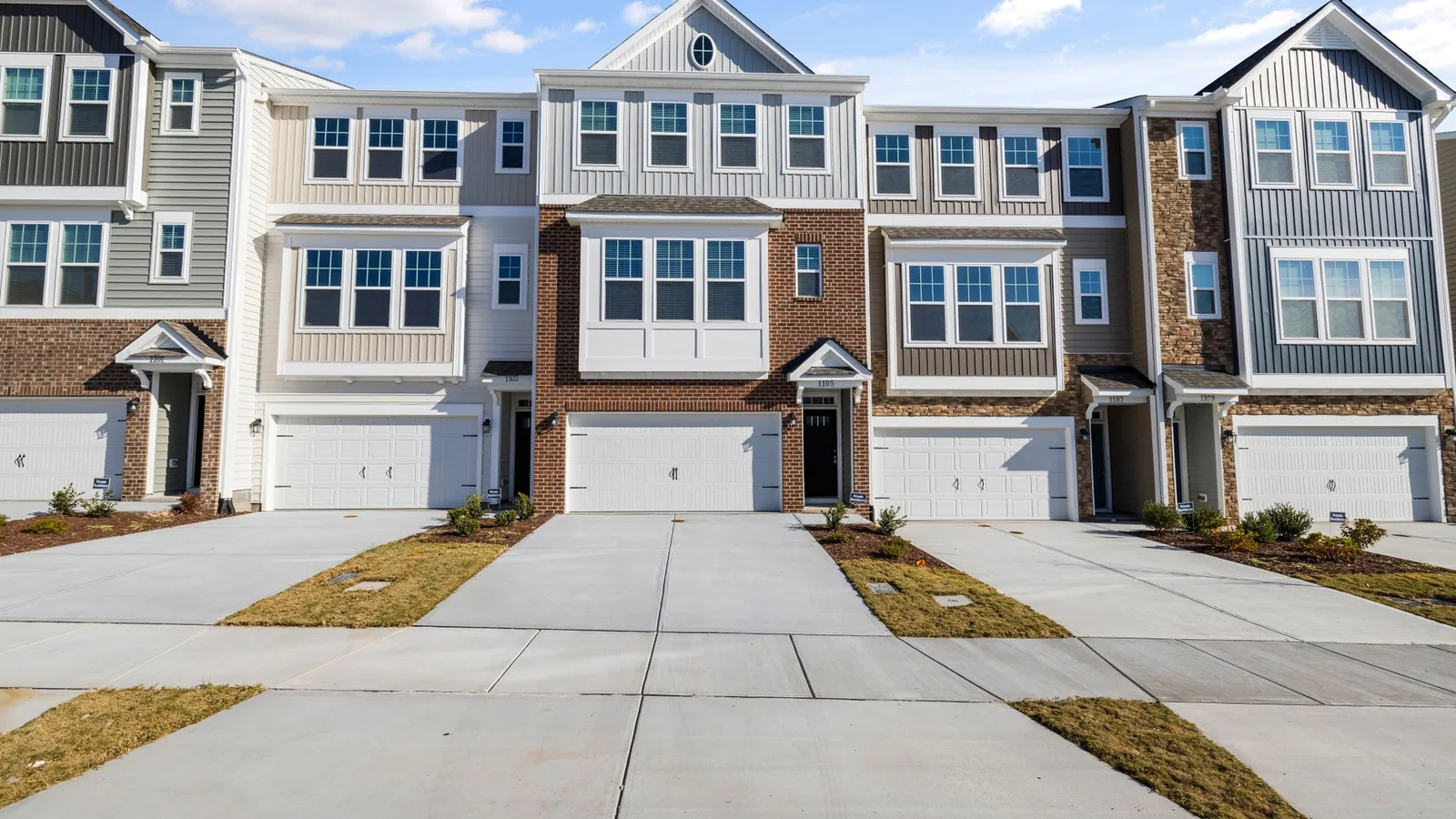
Photo: Curtis Adams / Pexels
Residential Subdivisions & Infill Housing
Splitting urban sections, installing civil infrastructure, drainage, and roading to create fee-simple freehold titles or multi-unit townhouse developments.
Multi-Unit Townhouse & Apartment Builds
Medium-density residential construction, terrace homes, and multi-storey apartment buildings requiring structured progressive drawdown facilities.
Commercial & Industrial Developments
Purpose-built commercial warehouses, trade retail hubs, logistics facilities, and mixed-use commercial properties tailored for owner-occupiers or tenants.
Major Property Repositioning & Refurbishments
Substantial structural alterations, seismic retrofitting, commercial floor conversions, and adaptive reuse projects lifting asset value and rental yields.
The 3 core stages of development funding: Land, build, and exit
A successful development project moves through three distinct financial stages. Sizing each stage correctly prevents the dreaded funding gap mid-pour.

Photo: Greece-China News / Pexels
Site Acquisition & Pre-Development Civil Works
This initial funding secures the raw land or existing site while council approvals are finalised. It covers earthworks, drainage infrastructure, public connection fees, and title pegging. If you already own the site, your existing land equity acts as your deposit for the senior build facility.
Typical LVR: Up to 65%–70% against raw or consented land value.
Construction Facility & Progressive Drawdowns
The primary engine of the project. Senior debt is drawn down in monthly instalments against Quantity Surveyor (QS) progress certificates. This tranche covers materials, subcontract trade claims, professional fees, and capitalised interest throughout the physical build.
Typical LVR / LTC: Up to 80%–85% of total construction cost (LTC) and up to 70% of gross completed valuation (LVR).
Take-Out Finance, Sales Realisation & Exit
When practical completion and Code Compliance Certificates (CCC) are issued, the construction loan must be settled. Repayment happens either through the settlement proceeds of pre-sold units, open market sales, or by refinancing into a long-term commercial investment loan if retaining the asset for rental income.
Exit Horizon: Sized with a 2 to 3 month buffer post-CCC to allow sales settlements to clear smoothly.
Bank vs non-bank development finance: Pre-sales, speed, and equity
Mainstream retail banks (ANZ, ASB, BNZ, Westpac) offer the lowest headline interest rates for construction loans. But that cheaper rate comes with a formidable set of handcuffs: they typically demand 100% debt-coverage pre-sales, extensive developer track records, and 8 to 12 weeks of credit committee deliberations.
In a shifting property market, locking down 80% to 100% pre-sales before breaking ground can stall a viable project for a year. That is why non-bank and institutional private lenders fund a massive portion of New Zealand's medium-density townhouse and commercial building stock. They underwrite the security and the feasibility rather than forcing you to discount units off-plan just to satisfy an inflexible bank rule.

Photo: Tima Miroshnichenko / Pexels
| Lending Parameter | Mainstream Banks | Non-Bank & Private Lenders |
|---|---|---|
| Pre-sales Required | Strict (typically 80% to 100% debt coverage) | Low or Zero pre-sales required |
| Max Loan-to-Cost (LTC) | 65% – 75% of total project costs | Up to 80% – 85% of total project costs |
| Max Completed LVR | 60% – 65% of Net Realisation Value | Up to 70% (commercial) / 75% (residential) |
| Credit Assessment Time | 6 to 12 weeks | 24–48h term sheet, 2–3 weeks to fund |
| Interest Servicing | Serviced or capitalised with strict test rates | 100% Capitalised or retained in facility |
(And yes, a bank credit committee can spend four weeks debating your subcontractor list only to ask for another round of pre-sales. Sourcing non-bank terms upfront keeps your build timetable in your control.)
LTC vs LVR: Understanding how lenders calculate your loan size
When commercial lenders evaluate development funding, they test your numbers against two critical ratios. You are always funded to whichever ceiling is reached first.

Photo: Bia Limova / Pexels
1. Loan-to-Cost (LTC)
LTC measures your borrowing against the actual cash cost of the project: land purchase price + civil works + construction contract + professional fees + council contributions + finance interest.
Typical non-bank ceiling: Up to 80%–85% LTC.
2. Loan-to-Value (LVR / GRV)
LVR measures your total debt against the completed "as-if-complete" valuation (Net Realisation Value, excluding GST). This ensures the lender retains a safe recovery buffer if market prices soften.
Typical non-bank ceiling: Up to 70% commercial / 75% residential.
Worked Example: $5.0M Townhouse Build
Suppose your land plus hard and soft build costs total $5,000,000. At 80% LTC, your maximum construction facility is $4,000,000 (requiring $1,000,000 developer equity). If the completed Gross Realisation Value is appraised at $6,400,000 (ex GST), your $4.0M facility sits at an LVR of 62.5%. Because this is well below the 70%–75% LVR cap, the full $4.0M facility can be approved.
What lenders check before approving a development loan
Lenders do not fund projects on enthusiasm; they fund them on verifiable risk mitigation. Planning a multi-unit development without an independent Quantity Surveyor report is a bolder gamble than taking a driver on a tight par three with water on both sides.
To get a clean term sheet, your application must satisfy five core pillars:
Fixed-Price Building Contract (Master Build / NZS 3910)
Lenders require a comprehensive building contract with a reputable, licensed commercial builder. Fixed-price contracts eliminate cost-overrun uncertainty for the credit committee.
Initial Quantity Surveyor (QS) Feasibility Report
An independent QS must verify the construction budget, build programme, contingency reserves, and cash-flow draw schedule before senior debt is approved.
Resource and Building Consents in Place
Approved council resource consents and building consents ensure there are no regulatory roadblocks before site works and civil contractors commence.
Documented Equity Contribution (Cash or Land Value)
Developers must contribute equity upfront (typically unencumbered land value, paid deposit, or subordinated second mortgages) before the lender releases first-stage debt.
A Verified Exit Strategy (Pre-Sales or Refinance)
Proof of how the construction facility will be fully repaid at completion — whether through confirmed qualifying pre-sales, open-market sell-down, or long-term investment refinance.
How progressive drawdowns and Quantity Surveyor (QS) sign-offs work
Unlike an overdraft or an asset equipment loan where funds disburse on day one, development finance operates on a strictly monitored drawdown cycle. This protects you as much as the lender — ensuring your head contractor is only paid for work that is physically complete and compliant.
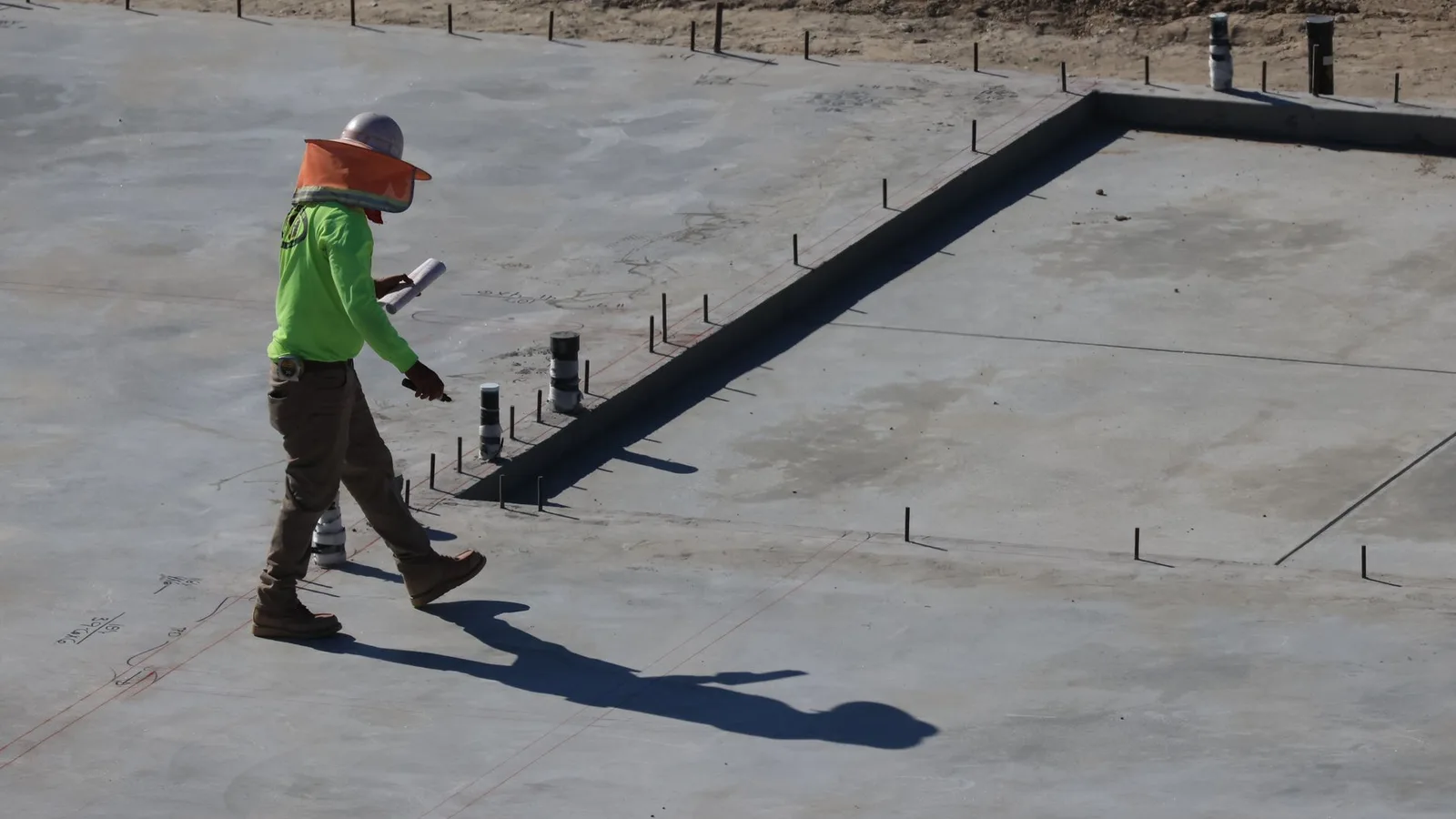
Photo: David Brown / Pexels
Your builder submits a monthly payment claim detailing completed subcontractor works, materials on site, and council inspection sign-offs.
The panel Quantity Surveyor visits the site, verifies the claimed progress, checks statutory retentions, and tests the "cost-to-complete" reserve.
Upon receiving the QS certificate, the lender releases the approved progress payment directly to your solicitor or project account within 48 to 72 hours.
The Cost-to-Complete test is the golden rule of construction debt. At every monthly drawdown, the lender verifies that the remaining undrawn loan balance is sufficient to complete the build. If unforeseen site variations arise, the developer must inject additional equity before the lender releases subsequent loan tranches.
When property development finance isn't the right fit
Development finance is a powerful tool when structured around clear feasibility and an experienced build team. But it is not a cure for speculative, unplanned land acquisitions.
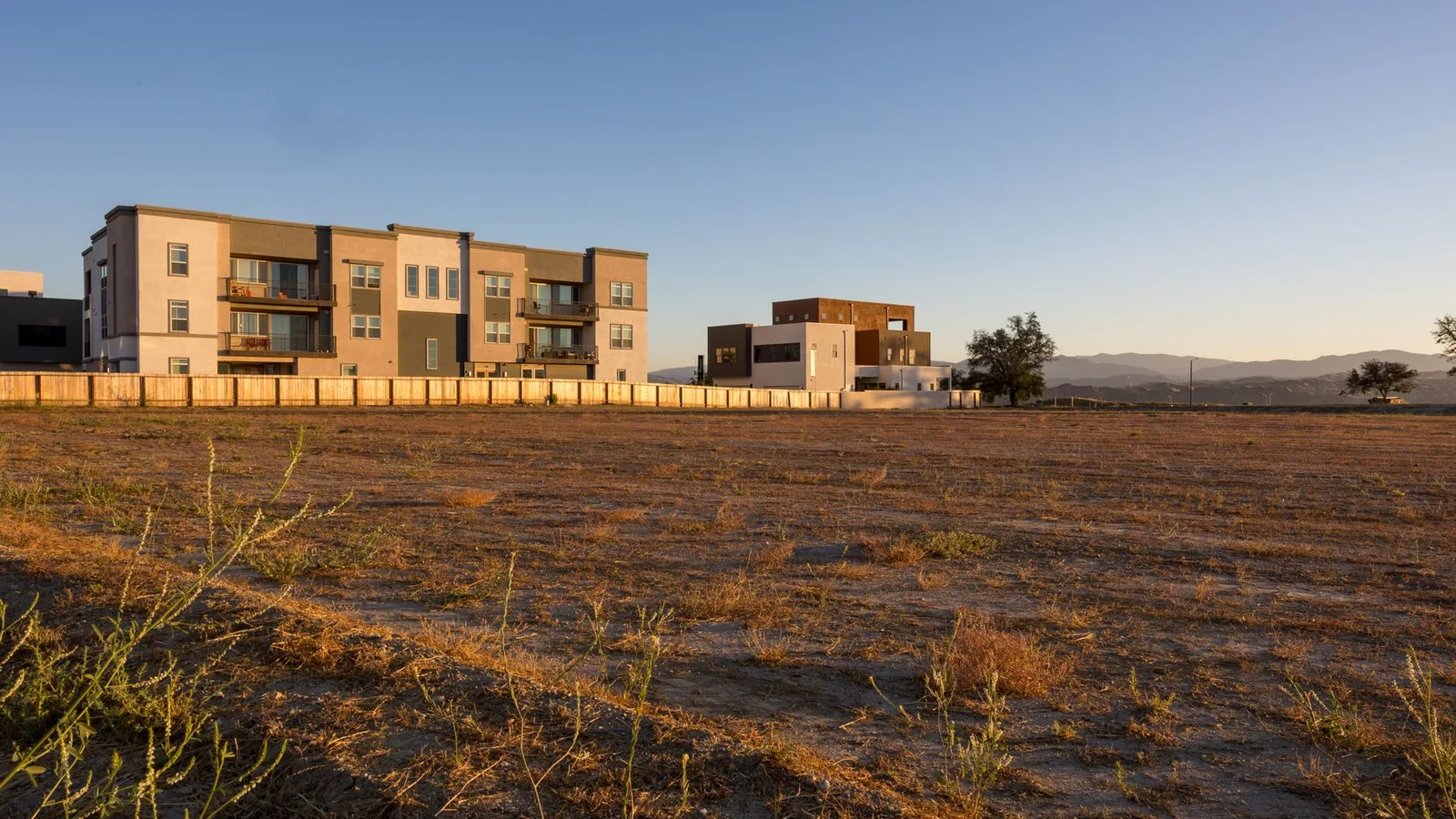
Photo: David Brown / Pexels
You have unconsented land with no development plan
Development finance is structured construction debt, not speculative holding capital. If you do not have architectural drawings, consent pathways, or feasibility numbers, land-banking finance or short-term bridging is required first.
You are attempting an uncosted owner-builder project with no contractor
Commercial and multi-unit development lenders require experienced project managers and licensed building practitioners (LBPs). Self-managed builds without verified contracts carry too much completion risk for senior lenders.
Your project has zero equity headroom or contingency reserve
Every development loan requires a funded contingency buffer (typically 5% to 10% of total build costs). If your numbers leave zero cushion for material price adjustments or council delays, credit approval will stall.
If your project needs pre-development holding funding or equity release behind an existing property, explore our guides on short-term commercial bridging and second mortgage equity release.
How to apply and what happens next
At AML Commercial, we work across a lending panel of 20 bank and non-bank lenders (including 7 major banks, 13 specialist non-bank institutions, and direct private capital). We package your project numbers, feasibility model, and contractor profile so credit assessors see a clean, underwriteable file on day one.

Photo: Kampus Production / Pexels
Our 3-Step Process for Development Loans
Initial Project Review
Send us your site plans, resource consents, and preliminary feasibility budget. We calculate your borrowing capacity across LTC and completed LVR metrics.
Indicative Terms in 24–48h
We issue a clear indicative term sheet outlining pricing, interest structure (capitalised or serviced), LVR parameters, and QS requirements.
Valuation & Settlement
Upon agreement, panel valuation and initial QS reports are instructed. Legal loan documents are executed and initial site drawdowns commence.
For guidance on compliance standards and corporate lending frameworks, review resources from business.govt.nz, the Financial Markets Authority (FMA), and the Reserve Bank of New Zealand (RBNZ).
FAQs
Straight Answers on Property Development Finance in NZ
What is property development finance in NZ?
Property development finance is a specialised short-term funding facility used to fund the acquisition, civil subdivision, and construction of residential or commercial property projects. Unlike standard residential mortgages assessed on personal income, development finance is secured against the site and assessed on the project feasibility, cost-to-complete, and gross completed value.
How much can I borrow on a property development loan in New Zealand?
In New Zealand, development facilities typically range from $500,000 to $10,000,000+ for private and non-bank lenders (and higher for institutional projects). Lenders calculate borrowing limits based on Loan-to-Cost (LTC, typically up to 80% to 85% of total project costs) and Loan-to-Value Ratio (LVR, typically up to 65% to 70% of Net Realisation Value / as-completed valuation for commercial projects, and up to 75% for residential).
Do I need pre-sales to get property development finance in NZ?
Mainstream retail banks almost always require 100% debt-coverage pre-sales (binding sale agreements covering the entire loan amount) before releasing construction funds. Non-bank and private lenders, however, frequently offer no-presale or low-presale development facilities, assessing the developer equity, site location, and market demand instead.
How do progressive drawdowns work on a construction loan?
Rather than receiving a lump sum upfront, you draw down funds in stages as construction milestones are completed. An independent Quantity Surveyor (QS) inspects the site monthly, verifies the work completed against invoices, and issues a progress certificate authorizing the lender to disburse the next payment tranche.
How is interest charged on development finance?
Most development facilities feature capitalised or retained interest. Rather than requiring monthly cash repayments out of your pocket while the project is under construction, the estimated total interest cost is funded inside the overall facility limit and settled in full at project completion.
What happens at the end of the development loan term?
Development facilities are short-term (typically 6 to 24 months). At completion, the facility is paid out through your exit strategy: either by settling unconditional pre-sales, selling completed units on the open market, or refinancing the completed asset onto a long-term commercial investment mortgage.