

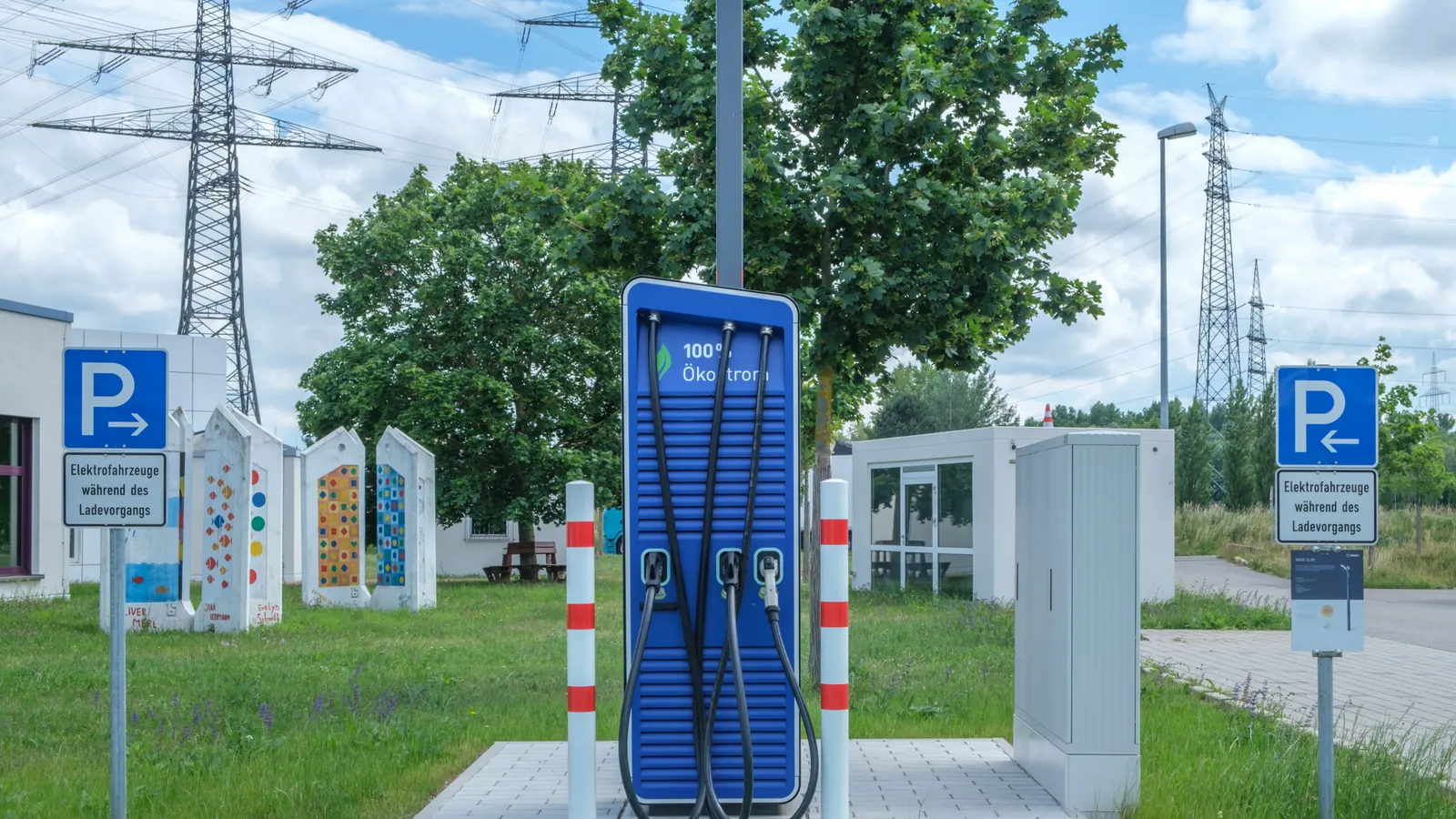
Electric vehicle finance in New Zealand works the same way as any other asset finance: up to 100% of the EV's purchase price, the vehicle itself as the lender's security, no property required. (Range anxiety is real. Deposit anxiety doesn't have to be.) What actually changes with an EV isn't the finance structure — it's what a lender looks at when it prices the asset: the model, the battery, and how confident the market is about resale down the track. Here's what qualifies, what's different about financing an EV specifically, and when it isn't the right call.
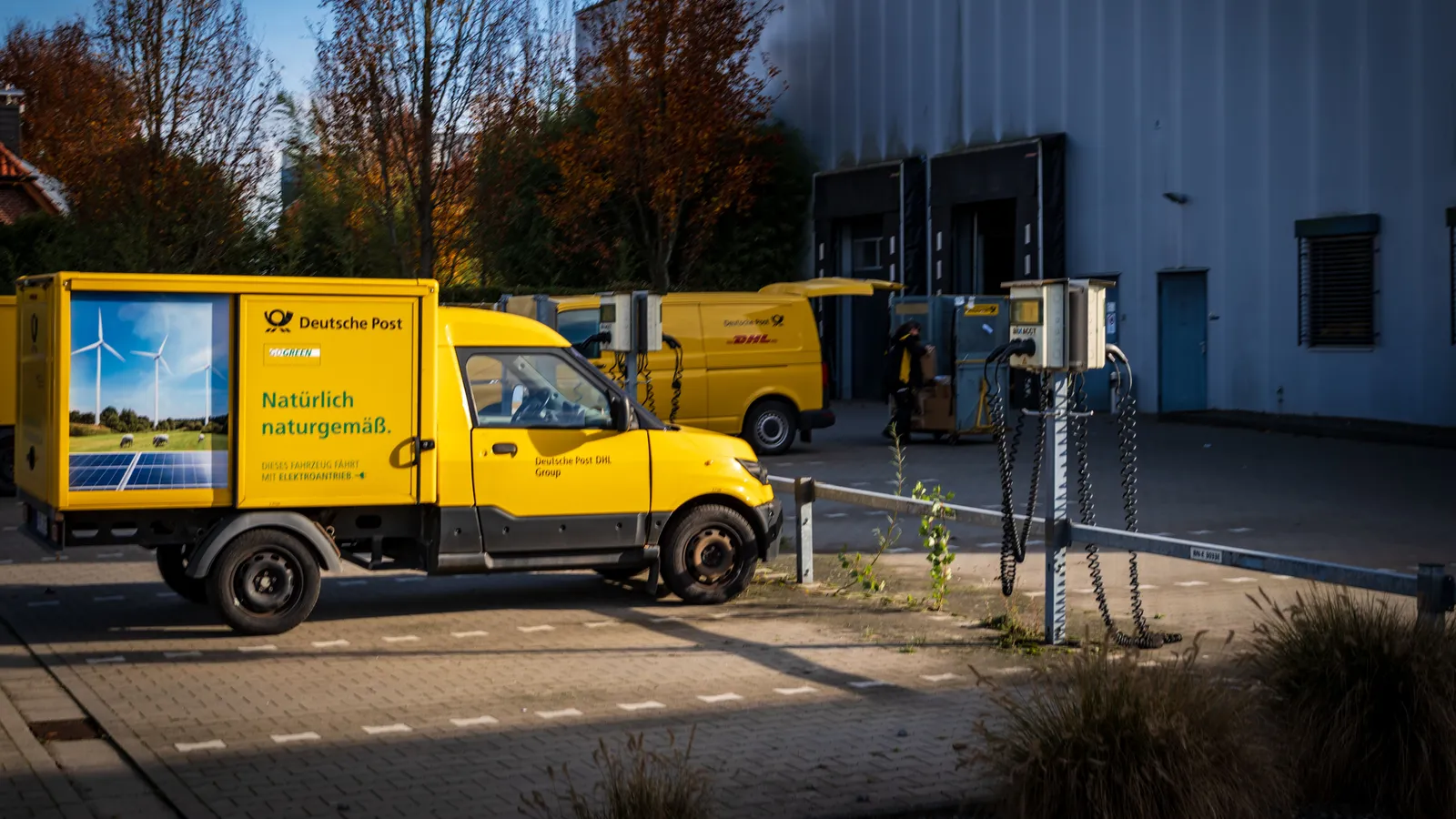
Photo: Sergej ***** / Pexels
What EV Finance in NZ Actually Covers
EV finance is a form of asset finance — the same category that covers trucks, utes, vans, and other commercial vehicles and equipment. Instead of the loan being secured against your house or business premises, the EV itself is the security. The asset carries the risk, not your other property.
Every EV ad talks about the environment. We talk about the credit committee — someone still has to say yes to the numbers before the environment gets a look-in. What matters to a lender is whether the vehicle is genuinely earning its keep for the business, and how comfortable it is pricing the asset years from now.
Structures vary. Hire purchase — where you own the EV outright once the final payment clears — is the most common, though a lease-style structure can suit a business that turns its fleet over every few years. It sits alongside the finance we place for trucks, utes, and other commercial vehicles — the full breakdown of how asset finance works sits on our asset finance page. This post is about what it takes to get an EV specifically approved.

Photo: I'm Zion / Pexels
New vs Used, Deposit & Loan Term: Why There's No Fixed Grid
Short answer: many facilities are structured to fund up to 100% of the EV's purchase price, whether it's new from a dealer or used through a private sale, so you may not need to put any cash down at all.
There's no published rate card or fixed loan-size band, and any site that hands you one is guessing before it's seen your deal. What actually moves the numbers:
- The EV's age, make, model, and battery condition — a near-new model with strong battery health prices very differently to an older import with real range loss
- Whether you’re GST-registered and how the purchase is structured
- New from a dealer, or used through a private sale
- The term you're asking for, and how it lines up with the vehicle's useful working life — not just its odometer
- Bank versus non-bank lender — different appetite, same asset
A tired diesel engine is a mechanic's problem. A tired EV battery is a valuer's problem — and it changes what the numbers look like, because battery health drives resale value more than the odometer does. The number worth acting on is the one on an indicative term sheet built around your actual vehicle and your actual numbers — ours comes back in 24–48 hours.

Photo: Pavel Danilyuk / Pexels
What Qualifies You for EV Finance in NZ
A shiny new EV doesn't impress a credit committee — a clean set of financials does. Every lender wants to see the same four things, just weighted differently.
- The asset. Age, condition, battery health, and resale value. EV resale in NZ is still finding its feet, so a mainstream, well-known model is easier security to price than a rare import.
- The entity. Company incorporation or trust deed, plus valid ID for every director and guarantor.
- The numbers. Your business's financial position and its ability to service the repayment, not just the EV's price tag.
- The use. Business use versus personal use. An EV doing the rounds for a business prices differently to one mostly doing the school run.
Get the four things above ready before the first call, and a term sheet turns around in 24–48 hours. Miss one and the file doesn't get declined — it just stalls while someone chases the missing piece, which is a slower, more annoying way to end up in the same place.

Photo: kaboompics.com / Pexels
The Tax Side: What's Worth Checking With Your Accountant
I'm a finance advisor, not an accountant, so this is general context, not tax advice — get the specifics confirmed by whoever does your books.
An EV bought for genuine business use can carry the same general considerations as any commercial vehicle: GST on the purchase may be claimable if you're registered, interest on the finance may be deductible as a business expense, and depreciation can apply to the asset itself. Low-emission vehicles have also been subject to their own tax and charging settings from time to time, and those settings have shifted more than once in recent years. Don't take my word, or anyone else's, for what applies right now — check the current position directly with Inland Revenue or your accountant before you commit.

Photo: Gustavo Fring / Pexels
Bank or Non-Bank: Who Actually Says Yes
Every advisor says they've got "access to multiple lenders." So does a phone book, technically. What actually matters is how many of them will look seriously at a newer asset class like an EV from a business that's new, seasonal, or self-employed.
We hold relationships across multiple banks and non-bank lenders, plus non-panel access to institutional funders. A bank works from a standard credit policy, which can be slower to catch up on how it prices a newer vehicle type. A non-bank lender assesses the file in front of it, which matters when the asset itself — an EV's battery and resale profile — is still something lenders are getting comfortable with. An indicative term sheet on the right file comes back in 24–48 hours, and funding can follow in as little as 72. You can check any advisor's licensing yourself on the Financial Service Providers Register — ours is FSP 714331.

Photo: Mitchell Henderson / Pexels
When EV Finance Isn't the Right Call
Worth ruling these out fast rather than losing a week finding out the hard way.
- Buying for personal use, not business. This is asset finance for a commercial or income-earning use, not a private run-around — a bank or dealer finance is the right call there.
- You're banking on a rebate or concession we can't confirm. EV-specific tax and charging settings shift more than most. Build the numbers around what you can service today, not a scheme that might not be there next year.
- You can't show the numbers to service it. No lender says yes to an EV it can't see repaid, no matter how good the deal on the vehicle itself is. Get the financials in shape first.
None of this is written to talk you out of calling. It's written so the first call is useful instead of a fishing trip. If you want general guidance on funding a growing business first, business.govt.nz is worth a look.

Photo: RDNE Stock project / Pexels
How to Apply and What Happens Next
The process itself is short once the four things above are ready. Tell us what you're financing and your business circumstances, we structure the finance and match it to the right lender, and an indicative term sheet comes back within 24–48 hours. Accept it, and funding typically follows within days — settlement can happen in as little as 72 hours once terms are signed.
The entity side is worth checking early too — if you need to confirm your own company's standing before you apply, the Companies Register is the place to do it, not a guess. You can start online through our asset finance application, or call and talk it through directly first if the deal's got a wrinkle in it.
Electric vehicle finance in NZ isn't a different product to any other vehicle finance — it's asset finance with one extra variable in the mix: the battery. Get the asset, the entity, and the numbers sorted, and the rest moves fast. If the bank's already said no once, don't ask it the same question twice. Get in touch — we'll ask a different lender, and probably a quieter one.