

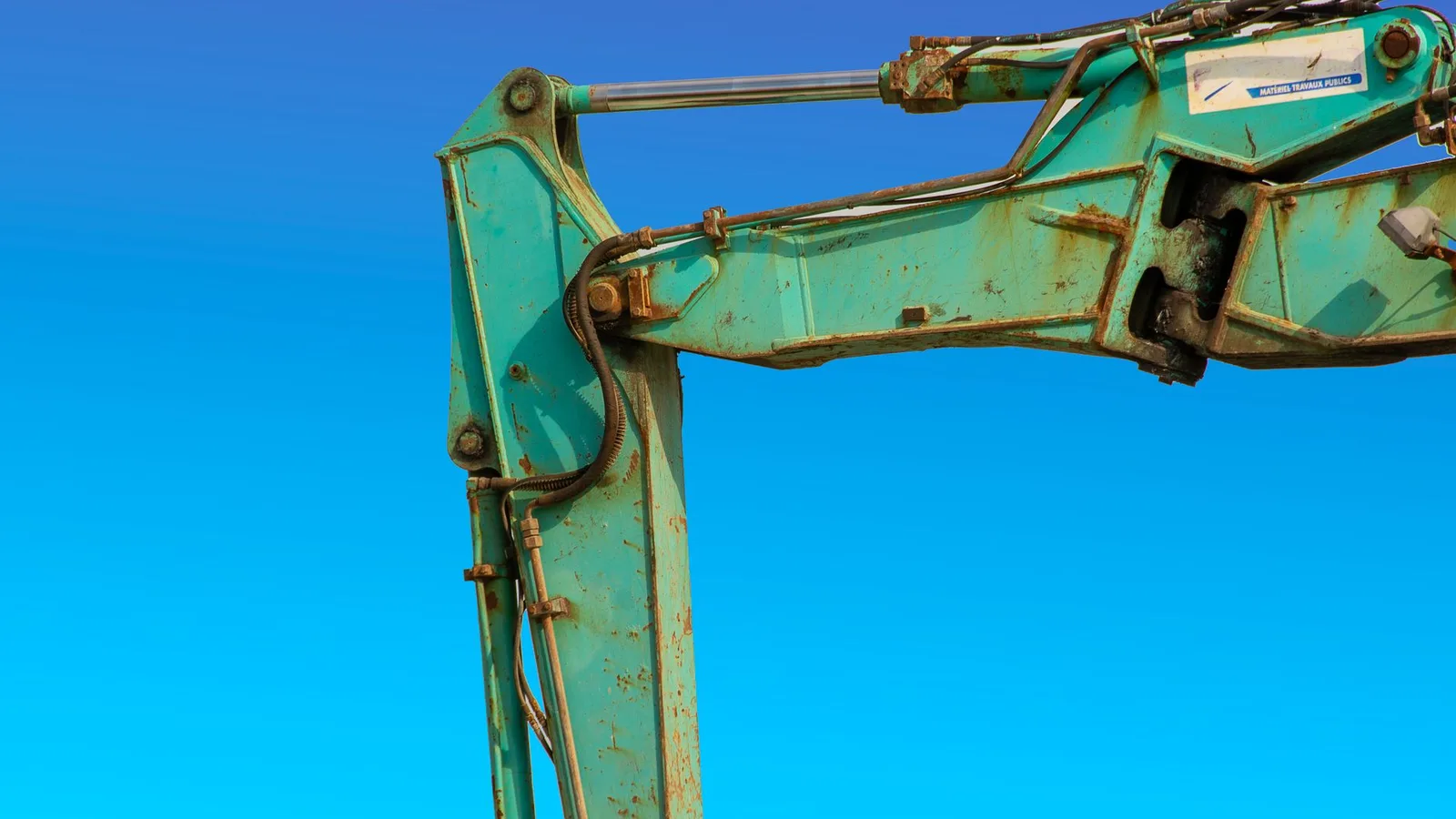
Equipment financing allows New Zealand business owners to purchase machinery, plant, and commercial technology without tying up working capital or mortgaging real estate. Facilities can fund up to 100% of the purchase price, using the equipment itself as security. Whether you are upgrading manufacturing plant, adding earthmoving gear, or replacing trade equipment, getting the facility structured correctly saves time and preserves cash flow. Here is how equipment financing works, what lenders look for, and how to get terms in 24–48 hours.
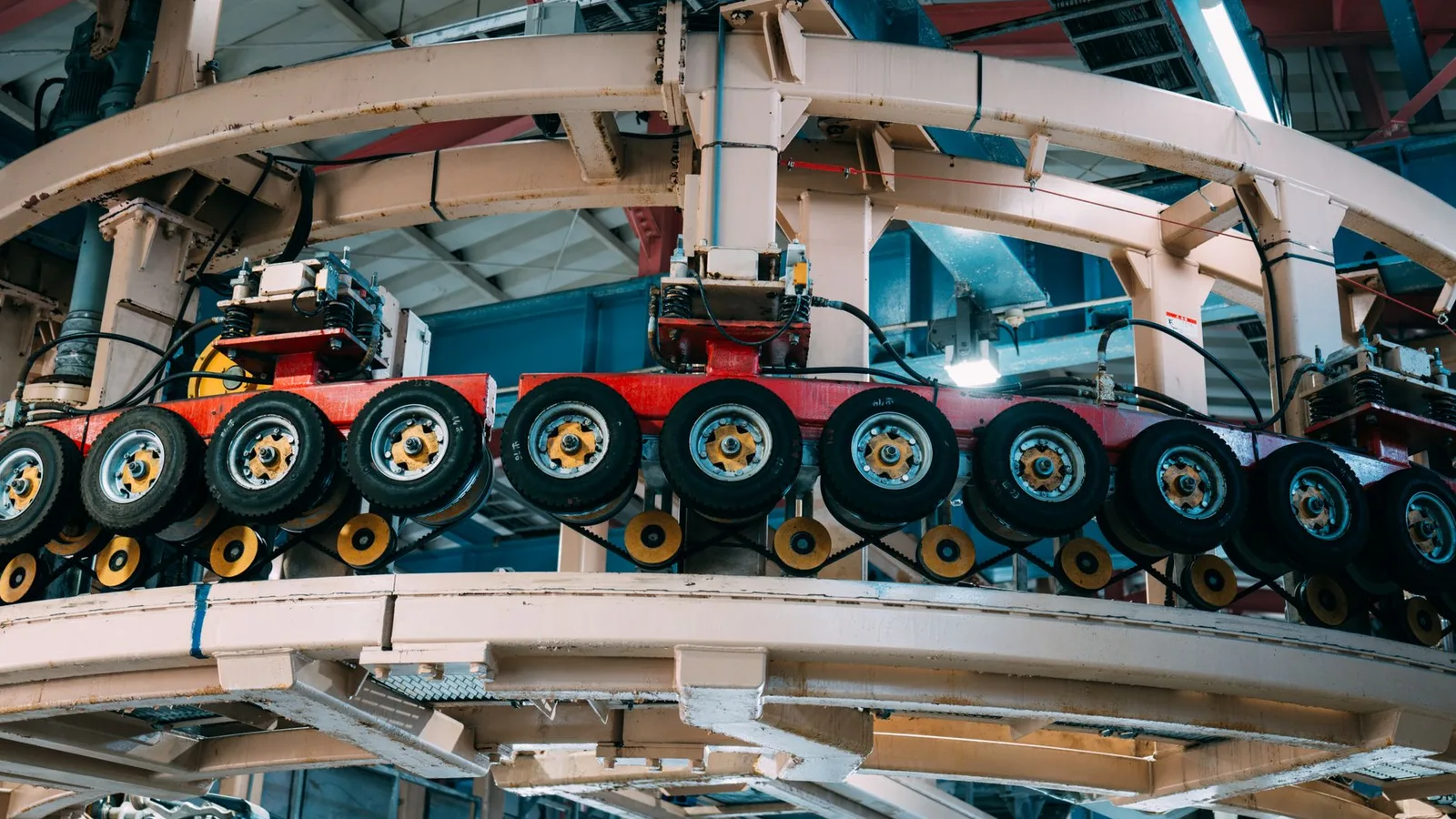
Photo: Michael Li / Pexels
What Equipment Financing Actually Covers
Equipment financing is a dedicated asset-backed credit facility designed for income-generating machinery. Unlike general business loans that demand bricks-and-mortar collateral, equipment finance relies on the asset itself. The financier retains a security interest over the equipment, allowing your company to use it immediately while paying off the purchase price over a structured term.
It covers a broad range of operational assets across New Zealand industries:
- Manufacturing & industrial machinery (CNC machines, packaging lines, printing presses)
- Earthmoving & civil construction plant (excavators, loaders, compactors — detailed on our construction equipment finance page)
- Agricultural machinery & farm equipment (tractors, harvesters, bailers — covered under farm equipment finance)
- Commercial & trade vehicles (trucks, utes, vans — see our truck finance guide)
- Medical, dental, & specialised technology systems
To see how asset finance fits your broader capital requirements, visit our core asset finance page.
Photo: Jakub Zerdzicki / Pexels
Deposit, Rates & Terms: Why There's No Fixed Grid
You can fund up to 100% of the purchase price, meaning a cash deposit is not always required. Loan terms typically range between 24 and 84 months, matching the economic life of the machinery. However, interest rates and terms vary based on specific risk factors:
- The age, condition, and expected resale value of the machinery
- Whether the equipment is standard industrial gear or custom specialised machinery
- The financial standing and trading history of your business
- The requested loan term, matched to the asset’s useful economic life
- Bank versus non-bank lender appetite for that specific asset type
Because every business and machine differs, generic rate charts advertised online rarely reflect actual terms. The reliable route to confirming exact pricing is an indicative term sheet tailored to your transaction, delivered within 24–48 hours.
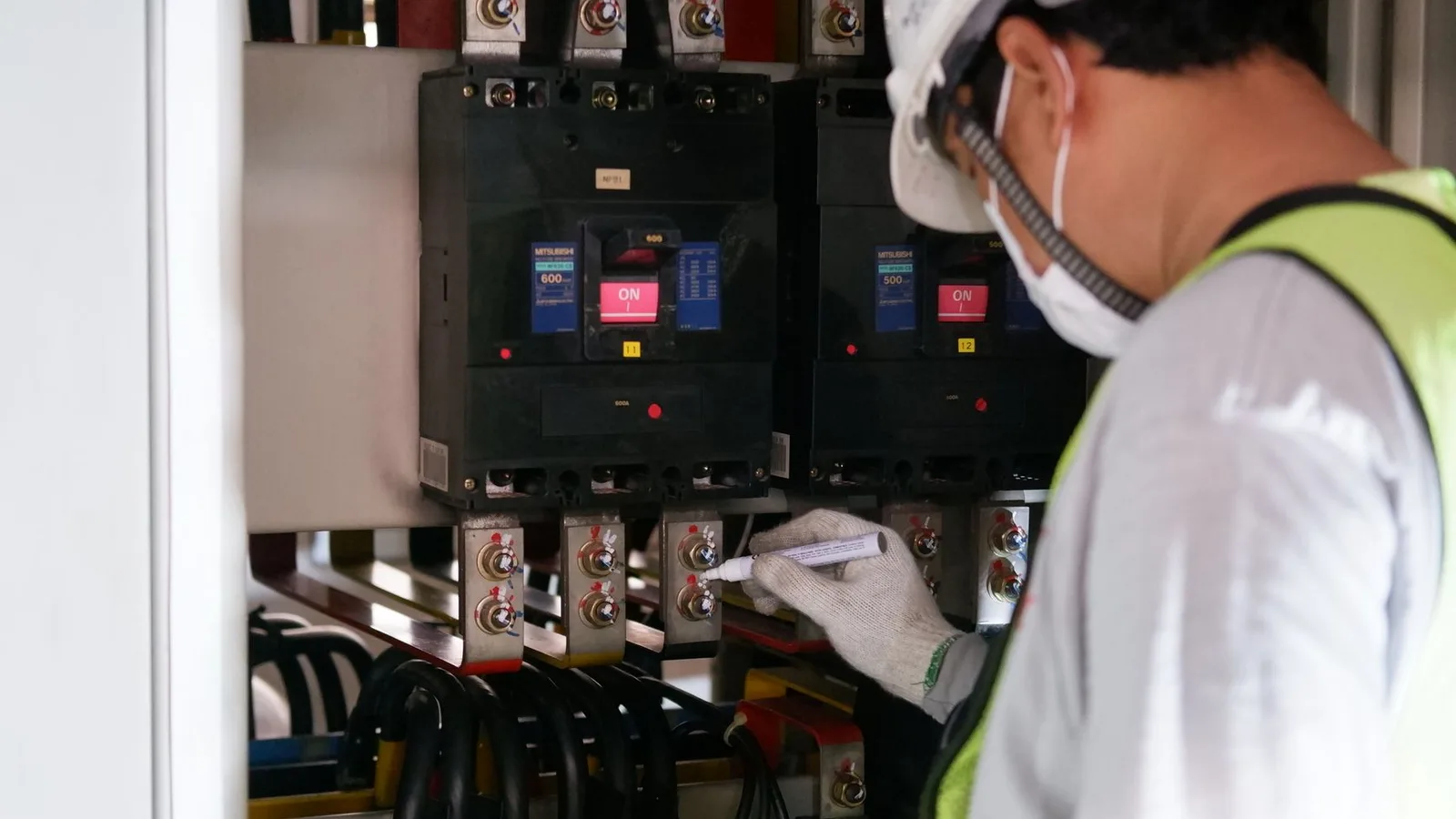
Photo: Annas Zakaria / Pexels
What Qualifies Your Business for Equipment Financing
Lenders evaluate four primary pillars when assessing an equipment finance application:
- The asset. The machinery’s make, model, age, and replacement cost. Standard, widely used commercial equipment is simpler to value and secure.
- The entity. Active company registration in New Zealand, plus verified ID for all directors and key shareholders.
- The numbers. Trading history, recent financial statements, or bank statements showing existing cash flow to service the facility.
- The purpose. Clear operational use — expanding production capacity, replacing obsolete plant, or fulfilling a new commercial contract.
Having these four elements prepared beforehand ensures a seamless application process. You can verify your business details on the Companies Register before submitting your paperwork.
Photo: William Warby / Pexels
New vs Second-Hand Machinery: What Lenders Look For
Both brand-new dealer equipment and second-hand machinery can be financed, but underwriters assess them differently:
New Equipment: Highly straightforward. Vendor invoice, manufacturer warranty, and standard serial details make valuation immediate. Full 100% funding over max term lengths is common.
Second-Hand Machinery: Lenders focus on asset age at term completion (typically capping combined age + loan term at 10–12 years). Independent valuation reports, service histories, or mechanical inspections may be requested for high-value pre-owned machinery.

Photo: RDNE Stock project / Pexels
Bank or Non-Bank: Choosing the Right Lending Panel
Mainstream trading banks offer low headline interest rates but enforce strict credit criteria, lengthy financial audits, and slow decision cycles. If your business is rapidly growing or purchasing specialised equipment, a bank checklist can be restrictive.
Non-bank asset lenders specialize in fast, commonsense underwriting. They focus heavily on the machinery’s value and your business’s current revenue rather than strict historical ratios. AML Commercial maintains active relationships across 20 banks and non-bank lenders (7 banks, 13 non-banks), matching your deal to the financier best positioned to approve it quickly. Check licensing credentials anytime on the official Financial Service Providers Register (AML Financial Services Limited, FSP 714331).
Photo: Mike Norris / Pexels
When Equipment Financing Isn't the Right Call
It is best to identify mismatched scenarios early before investing time in an application:
- The equipment has no recoverable value. If the machinery is obsolete, unserviceable, or heavily custom-built with zero resale market, asset finance is difficult to secure against it alone.
- You actually require capital for property acquisition. If your main goal is funding commercial land or buildings, our dedicated property finance options are the proper fit.
- The business cannot demonstrate servicing capacity. No lender will approve a facility without evidence of clear cash flow or realistic revenue forecasts to meet monthly repayments.
If your scenario matches one of these, an alternative structure or commercial advice may be required.
Photo: Pixabay / Pexels
How to Apply and What Happens Next
The process is structured for speed. Submit your machinery specifications and basic company details, we present the file to the optimal lender panel, and an indicative term sheet is provided within 24–48 hours. Once terms are confirmed, full settlement can complete in as little as 72 hours.
You can begin directly via our online asset finance application or speak to our team to discuss your machinery funding needs.
Securing the right machinery facility keeps your operations moving forward without cashflow bottlenecks. Contact AML Commercial today to explore your equipment financing options.