
Stalled Construction Finance NZ: Rescue Unfinished Builds
How New Zealand developers refinance uncompleted projects, fund cost overruns, and survive builder liquidations to get to Code Compliance Certificate and Title.

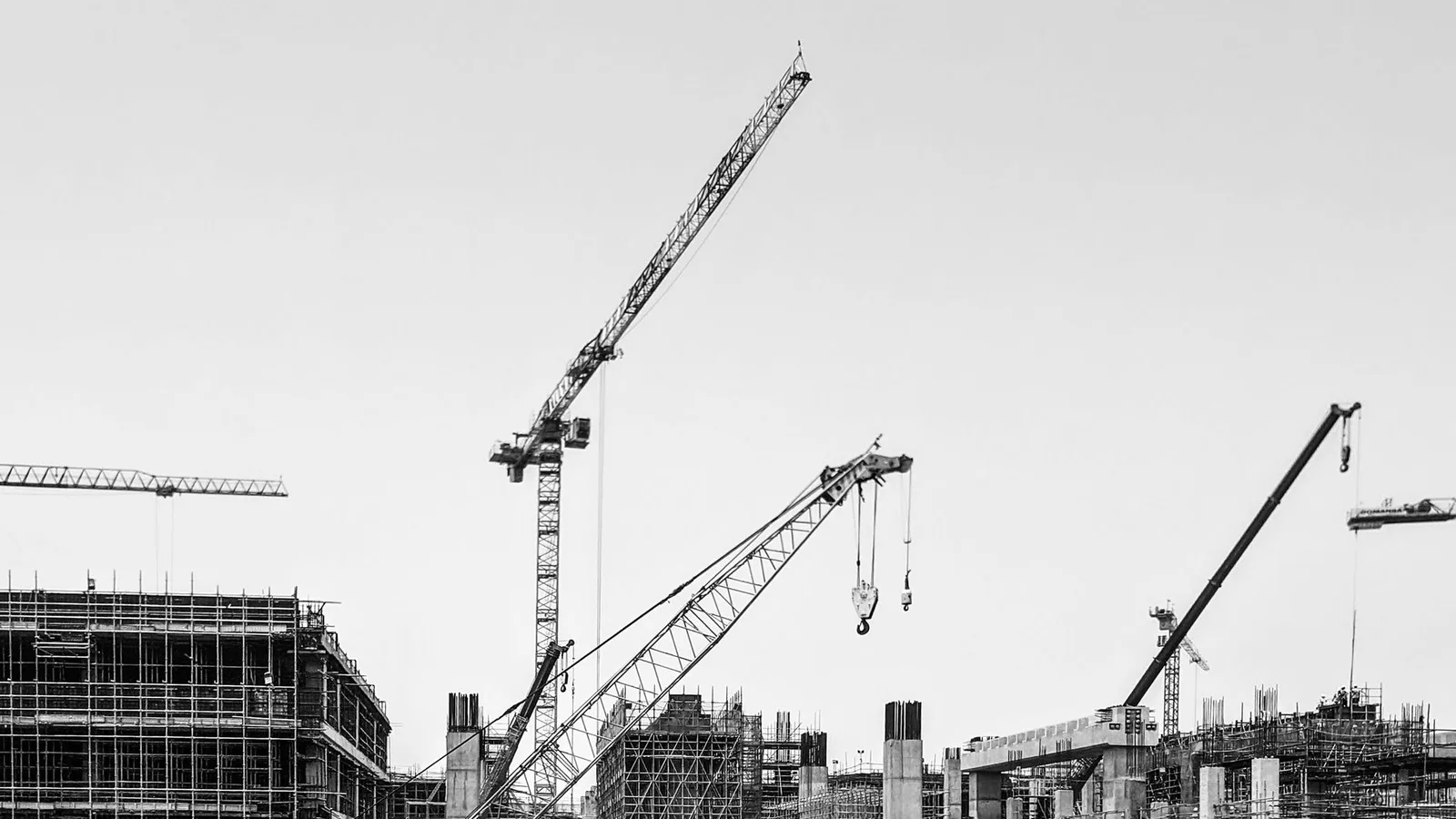
Photo: NH Nur / Pexels
A property development stuck halfway with a frozen bank loan is more stressful than slicing two consecutive drives into the deep rough on the 18th hole. When a site sits half-built, every week of delay bleeds interest, holding costs, and subcontractor goodwill.
In New Zealand, stalled construction finance (also known as construction rescue finance or unfinished build funding) solves this crisis by providing $50,000 to $10,000,000+ in short-term non-bank capital to refinance an uncooperative lender, fund cost overruns, and finish the build. Facilities are underwritten against the projected completed value of the asset—advancing up to 70% LVR on commercial property and up to 75%–80% on residential developments.
Unlike mainstream trading banks that freeze drawdowns the moment a budget contingency is breached, non-bank lenders focus on the solution: verifying the cost-to-complete with a Quantity Surveyor, capitalising interest so there are zero monthly servicing hurdles, and issuing indicative term sheets in 24–48 hours to get hammer-strikes back on site.
Table of Contents
- Why property developments stall in New Zealand
- How construction rescue finance works
- Lending parameters: LVR, LTC, and valuation rules
- What lenders check on an uncompleted build site
- Full senior refinance vs second mortgage injections
- When stalled construction finance isn't the right fit
- Straight answers on stalled development finance
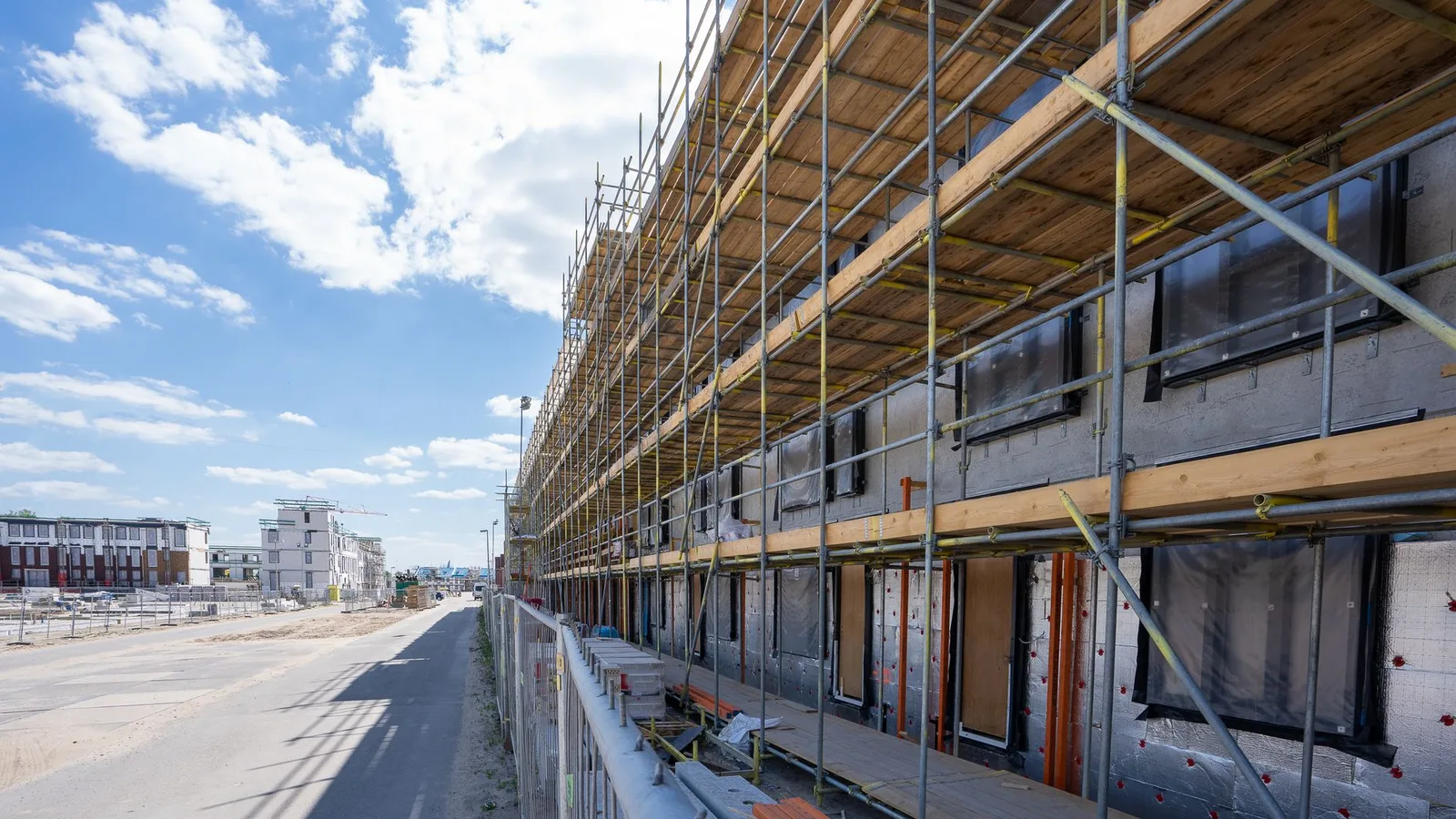
Photo: Mike van Schoonderwalt / Pexels
Why Property Developments Stall in New Zealand
Property development carries execution risk at every phase. Even seasoned New Zealand developers with solid equity can find themselves trapped when external shocks disrupt the construction programme. Nine times out of ten, a development stalls not because the finished product lacks demand, but because a sudden financial or operational bottleneck breaks the funding mechanism.
When a mainstream bank provides senior construction debt, their loan agreements contain strict covenants. The moment a cost overrun occurs or a builder misses a delivery milestone, bank credit algorithms flag the project as "impaired." Instead of helping the developer navigate the issue, trading banks typically freeze all further progressive drawdowns until the developer proves they can inject 100% of the shortfall in cash.
Head Contractor Insolvency or Builder Walk-Off
- Main contractor enters liquidation or abandons site mid-build, freezing physical progress
- Subcontractors walk off with unpaid progress claims and refuse to return without guaranteed payment
- Loss of standard Master Build or commercial warranties requiring replacement certification
- Site left exposed to weather and council inspection lapse during protracted dispute negotiations
Cost Overruns That Exhaust the Project Contingency
- Civil earthworks, ground contamination, or foundation engineering variations exceed initial budget
- Material cost escalation or prolonged weather delays inflate total development cost (TDC)
- The original trading bank freezes progressive drawdowns because the project is technically out of funds
- Developer lacks immediate liquid cash to fund the required equity injection to unfreeze bank lending
Bank Facility Expiry & Expiring Sunset Clauses
- Initial 12 to 18-month construction loan term reaches maturity before Code Compliance Certificate (CCC)
- Mainstream bank issues formal notice of demand or refuses to extend the construction facility
- Presale contracts approach contractual sunset dates, risking buyer cancellations in a shifting market
- Urgent requirement to refinance out the bank to prevent distressed mortgagee sales at uncompleted value
Council Consent Delays & Regulatory Gridlock
- Delays in securing 224(c) subdivision completion certificates or staged engineering sign-offs
- Unresolved council resource consent variations holding up critical final inspection milestones
- Holding costs and serviced interest mounting monthly while physical construction sits idle
- Need for capitalised interest structuring so monthly debt servicing does not drain working capital

Photo: Mikael Blomkvist / Pexels
How Construction Rescue Finance Works Step-by-Step
Construction rescue finance is not a standard mortgage. It is an intensive workout facility structured specifically around completing the physical build and protecting the developer's underlying equity. The primary goal is simple: get the site from its current stalled state through to Code Compliance Certificate (CCC) and Title issuance under the Building Act 2004, so sales can settle.
Here is the operational process an advisor uses to structure a rescue facility:
1Site Audit & Cost-to-Complete Determination
An independent Quantity Surveyor (QS) inspects the site to verify exact works completed, audit subcontractor arrears, and certify the remaining capital required to reach CCC. This establishes the exact funding requirement without guesswork.
2Facility Structuring & Capitalised Interest
The non-bank lender approves a facility that refinances the incumbent bank's balance and creates a dedicated construction draw line for the remaining build. All interest and financing fees for the 6 to 24-month term are capitalised into the loan, eliminating monthly debt servicing stress.
3Subcontractor Remobilisation & Staged Drawdowns
Outstanding trade debts are settled or novated to the new construction contract. Funds are released progressively against monthly QS progress certificates, ensuring every dollar drawn goes directly into physical works on site.
4Completion, Title Issue & Exit
Upon obtaining CCC and 224(c) certificates, new unit titles are issued. The developer settles unconditional presales, markets completed inventory at full market value, or refinances onto a long-term investment facility, fully repaying the rescue lender.
Photo: Timothy Huliselan / Pexels
Lending Parameters: LVR, LTC, and Valuation Rules
Unlike traditional bank lending that relies heavily on historical financial statements and presale quotas, non-bank rescue lenders underwrite the real estate fundamentals. Lenders calculate exposure using two complementary metrics: Loan to Cost (LTC) and Loan to Value Ratio (LVR) based on the "As If Complete" Gross Realisation Value (GRV).
The table below outlines canonical lending parameters available across specialist NZ non-bank lenders:
| Lending Feature | Standard Parameter | Operational Context |
|---|---|---|
| Facility Sizing | $50,000 to $10,000,000+ | Scales from boutique townhouse completions to multi-unit commercial developments |
| Maximum LVR (Gross Realisation Value) | Up to 70% (Commercial) / 75%–80% (Residential) | Lent against independent "As If Complete" valuation minus cost-to-complete |
| Loan to Cost (LTC) / Cost-to-Complete | Up to 80%–85% LTC | Funds 100% of remaining hard and soft construction costs to achieve CCC and Title |
| Term Length | 3 to 24 months | Structured to provide sufficient breathing room for build completion and sales settlement |
| Interest Servicing Structure | Capitalised, retained, or monthly serviced | Interest can be rolled into the loan facility so zero monthly cash outflows are required |
| Indicative Term Sheet Turnaround | 24–48 hours | Rapid underwriting to stop bank mortgagee action and remobilise trades immediately |

Photo: RDNE Stock project / Pexels
What Lenders Check on an Uncompleted Build Site
When evaluating an uncompleted development, credit committees do not waste time examining two years of historical tax returns. They perform rigorous technical due diligence on the site itself to ensure the project can be brought to completion cleanly.
Key documentation required for a rapid 24–48 hour turnaround includes:
- Current QS Progress & Cost-to-Complete Report: An independent report breaking down works completed to date, materials on site, contractor claims, and remaining trade costs to achieve CCC.
- Council Consents & Inspection Logs: Approved building consent documentation, producer statements (PS1, PS2, PS3, PS4), and council site inspection notices showing no fatal notice-to-fix breaches.
- Building Contract & Builder Credentials: Fixed-price or managed building contract with a Licensed Building Practitioner (LBP), including insurance and third-party warranties.
- Debt Schedule & Creditor Arrears: Exact payout figures for the existing first mortgagee, plus a schedule of any outstanding trade creditors registered on the Personal Property Securities Register (PPSR).
- Independent Valuation: A registered valuation report detailing "As Is" site value and "As If Complete" Gross Realisation Value (GRV) inclusive of GST.
- Clear Exit Strategy: Unconditional presale contracts, real estate agency marketing agreements, or refinance takeout pathways once titles are registered.
Full Senior Refinance vs Second Mortgage Injections
Depending on your relationship with your existing lender and their willingness to remain on title, there are two primary financial structures used to rescue an uncompleted build:
Full First Mortgage Refinance
The rescue lender refinances the incumbent bank completely, taking a sole first-ranking mortgage over the development site.
- Completely removes an uncooperative bank threatening legal action
- Consolidates senior debt and completion funding under one lender
- Interest fully capitalised across the entire facility balance
Second Mortgage / Equity Injection
The existing bank remains on first mortgage, while a specialist non-bank injects a second-ranking charge behind the bank or across other property assets.
- Preserves low interest rates on the existing bank senior debt
- Requires formal Deeds of Priority and bank consent
- Can be secured across secondary commercial or residential property equity

Photo: Brett Sayles / Pexels
When Stalled Construction Finance Isn't the Right Fit
As licensed advisors, we tell business owners when a debt facility makes commercial sense—and when it does not. Non-bank rescue capital carries higher interest margins and facility fees than prime bank debt. If the project cannot absorb the financing costs and still produce positive equity, taking on more debt will only accelerate insolvency.
Projects in deep negative equity where cost-to-complete exceeds finished value
If the total cost required to complete the build plus existing mortgage debt significantly exceeds the projected Gross Realisation Value (GRV), non-bank lenders cannot bridge the gap without substantial external security.
Irreconcilable shareholder disputes or locked litigation between co-owners
Lenders require unified director and guarantor consent to execute new mortgage securities and Quantity Surveyor appointments. Unresolved legal injunctions between development partners prevent execution.
Unconsented structural building work with fatal council notice-to-fix orders
If unconsented building works violate structural compliance under the Building Act 2004 and council will not approve a Certificate of Acceptance (CoA), the asset cannot achieve legal title or habitation.
Straight Answers on Stalled Construction Finance
FAQs
Frequently Asked Questions: Construction Rescue Finance
What is stalled construction finance in New Zealand?
Stalled construction finance (also referred to as construction rescue or unfinished development finance) is a specialised non-bank facility designed to refinance and complete a property development that has halted mid-build due to builder insolvency, cost overruns, bank funding freezes, or facility expiry. It provides the capital required to finish construction, achieve Code Compliance Certificate (CCC), and issue titles.
How do lenders value an uncompleted construction project?
Non-bank lenders instruct an independent registered valuer and Quantity Surveyor (QS) to assess both the "As Is" current site value and the projected "As If Complete" Gross Realisation Value (GRV). The lender underwrites the loan against the completed value minus the certified cost-to-complete, typically advancing up to 70% on commercial property or 75%–80% on residential developments.
Can I capitalise interest so I do not pay monthly interest during the build?
Yes. In almost all stalled construction rescue facilities, interest and fees are fully capitalised or retained inside the loan limit. This means you do not need to make monthly cash interest payments while trades are finishing the site; the total accrued interest is repaid upon sales settlement or long-term refinancing.
What happens if my head builder goes into liquidation mid-project?
When a main contractor collapses, rescue finance allows you to appoint a replacement licensed building practitioner or construction management team. An updated Quantity Surveyor (QS) report audits completed works, recalculates the remaining cost-to-complete, and the non-bank facility funds subcontractor remobilisation and council sign-offs.
How fast can stalled construction rescue finance be settled?
Indicative term sheets are typically delivered within 24–48 hours of reviewing the site plans, QS audit, and existing debt figures. Depending on valuation and QS turnaround, full facility settlement can occur in as little as 72 hours to 10 working days, halting urgent bank demand notices or creditor action.
Can I keep my existing bank loan and take a second mortgage for the cost overrun?
If your primary bank is willing to consent to a second charge and maintain their existing low-rate first mortgage, a non-bank second mortgage can be registered behind the bank to fund the specific cost-to-complete gap. If the bank refuses consent or demands immediate exit, a full first-mortgage takeout refinances the bank completely.
Related Commercial Property & Construction Guides
Explore related funding strategies across our commercial advisory network:
Assess Your Financing Scenario
Do not let a bank freeze or cost overrun force a distressed sale. We compare 20 bank and non-bank lenders to deliver structured completion terms within 24–48 hours.
- Facilities from $50,000 to $10,000,000+ across New Zealand.
- Up to 70% LVR commercial / 75%–80% residential against As-Complete valuation.
- Interest fully capitalised — zero monthly cash servicing required during the build.