

What working capital finance actually is in New Zealand
Revenue is vanity, profit is sanity, but cash in the bank is what keeps the power on and payroll cleared on Wednesday night. A business can have a packed order book, glowing customer reviews, and record turnover on paper, and still find itself flat out of cash because customers take 60 days to pay while suppliers demand payment in 14.
In New Zealand, working capital finance is short-term funding designed to bridge that exact timing gap. Instead of leaving your growth constrained by whatever cash is sitting in your cheque account today, a working capital facility unlocks liquidity against your balance sheet assets — commercial property equity, unencumbered plant, or business receivables — so you can take on bigger jobs without waiting for slow payers.

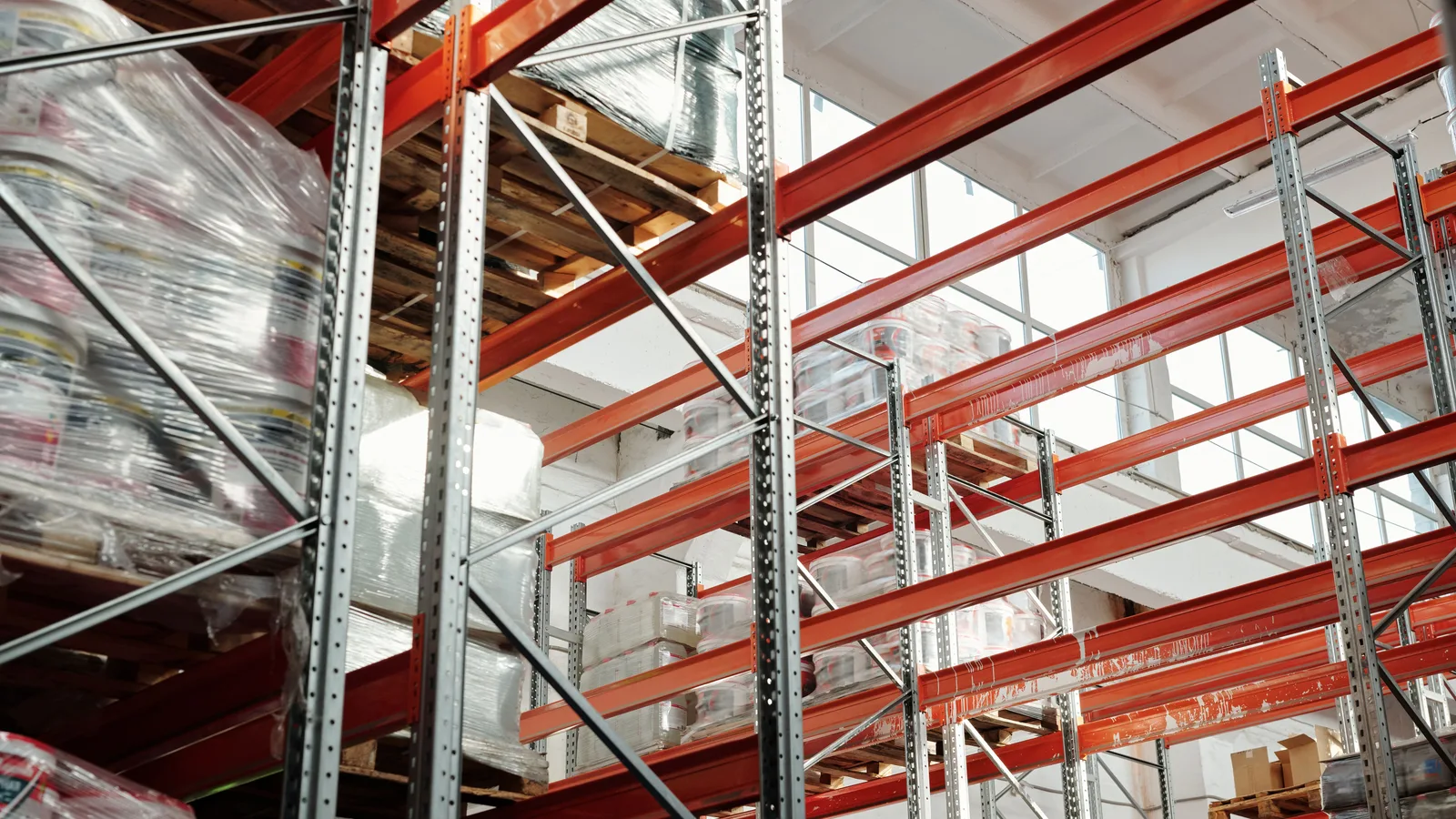
Photo: Tiger Lily / Pexels
Think of it this way: your operating cash flow is like a golf swing. When the timing is even half a second off, the whole shot goes into the rough. A working capital facility straightens the timing out so you never have to turn down profitable work because your cash is trapped in someone else's accounts payable queue.
The 4 common working capital cash flow bottlenecks
Most healthy businesses do not need working capital because they are failing; they need it because they are growing. Fast growth consumes cash far faster than organic profits can replenish it.
Trade Debtor & Receivable Gaps (60–90 Day Terms)
You deliver work, invoice a commercial client or tier-one contractor, and wait 60 to 90 days to get paid. Meanwhile, your staff wages, fuel, and material suppliers are due this Friday.
Bulk Inventory & Seasonal Stock Orders
Purchasing full shipping containers or landing seasonal stock often secures 15% to 25% supplier discounts. Working capital provides the bulk purchasing liquidity without draining your main trading account.
Rapid Business Expansion & Contract Wins
Landing a major commercial contract requires upfront mobilisation: onboarding extra staff, ordering materials, and setting up site operations before receiving the first progress claim.
Provisional Tax & Inland Revenue (IRD) Buffers
Managing lumpy tax obligations or provisional tax payments without disrupting day-to-day operations or incurring punishing IRD use-of-money interest rates.
If your business relies heavily on transport or earthmoving machinery to execute contracts, pairing working capital with equipment finance or truck finance ensures your capital remains unencumbered for day-to-day trading.
Secured vs unsecured working capital: Sizing and cash flow impact
When business owners search for fast cash online, they are inundated with unsecured fintech lenders offering "instant approvals within 2 hours." What those advertisements leave in the fine print is how the money has to be repaid.
Unsecured business loans typically require daily or weekly direct debits over a compressed 6 to 12-month term. If you borrow $150,000 on an unsecured facility, having $3,500 automatically sucked out of your bank account every Monday morning can strangle the very cash flow you were trying to rescue.

Photo: RDNE Stock project / Pexels
| Feature | Secured Commercial Facility (AML) | Unsecured Fintech Loan |
|---|---|---|
| Loan Size Range | $50,000 to $10,000,000+ | $10,000 to $250,000 max |
| Security Required | Commercial property, residential equity, or plant | None (Personal guarantee only) |
| Repayment Rhythm | Monthly serviced or fully capitalised (no cash payments) | Daily or weekly automatic direct debits |
| Facility Term | 3 to 24 months (with structured exit) | 3 to 12 months compressed |
| Cash Flow Impact | Preserves trading liquidity entirely during loan term | Heavy drain on daily working capital |
(Yes, signing an unsecured loan takes ten minutes on a smartphone. But paying it back over 26 aggressive weekly deductions will make you feel like you bought the lender a luxury holiday.)
What NZ lenders check to approve a working capital facility
Securing a commercial working capital facility is straightforward when you know what credit assessors are actually screening for. They are not looking for flawless past tax returns; they are looking for security headroom and a credible trade cycle.

Photo: RDNE Stock project / Pexels
Asset Security or Equity Headroom
Secured facilities require tangible backing: unencumbered commercial or residential property (as a first or second mortgage), heavy machinery, plant, or fleet vehicles.
Verified Trading History & Bank Statements
Lenders review 3 to 6 months of business bank statements to confirm daily cash flow velocity, customer payment consistency, and turnover volume.
Aged Debtor & Creditor Reports
An up-to-date summary of who owes you money (and how overdue they are) alongside your supplier payables gives credit underwriters a clean view of your working capital cycle.
A Clear Repayment & Exit Pathway
Lenders need to understand how the facility resolves: whether through seasonal revenue peaks, long-term bank refinancing, debtor collection, or asset sale.
Why mainstream banks stall on working capital (and the non-bank fix)
If you approach a major retail bank (ANZ, ASB, BNZ, Westpac) for an emergency overdraft extension or a temporary cash flow line, you will quickly encounter their standard policy checklist. They will ask for two years of audited financial accounts, an accountant-certified cash flow forecast, and 6 to 8 weeks for their business credit committee to review the file.
When an unmissable bulk stock discount expires on Friday or your key subcontractor demands payment by Monday, a 6-week bank review is completely useless. Non-bank lenders look at the real numbers: they underwrite the asset security (such as equity in your commercial building or a second mortgage behind your existing bank loan) and provide an indicative term sheet in 24 to 48 hours.

Photo: Yan Krukau / Pexels
Because AML Commercial holds panel relationships across 20 bank and non-bank lenders (including 7 major trading banks and 13 specialised non-bank institutions), we match your scenario directly with the lender whose underwriting model fits your timeline and security position.
Working capital facility parameters at a glance
Here is how our short-term commercial and property-backed working capital facilities are structured:
| Lending Parameter | Facility Detail |
|---|---|
| Facility Size | $50,000 – $10,000,000+ |
| Loan-to-Value Ratio (LVR) | Up to 70% (commercial property) / up to 75%–80% (residential security) |
| Asset & Equipment Finance | Up to 100% of purchase price, no property security required |
| Facility Term | 3 to 24 months |
| Interest Structure | Monthly serviced, retained, or 100% capitalised into facility |
| Amortisation | Interest-only with lump-sum bullet repayment at agreed exit |
| Indicative Term Sheet SLA | 24–48 hours from initial enquiry |
| Settlement / Disbursal Time | As little as 72 hours once terms are accepted |
When working capital finance isn't the right fit
A responsible commercial advisor tells you when a loan is the right move, and just as importantly, when debt will only make your problem worse.

Photo: Sora Shimazaki / Pexels
Your business has structural, ongoing operating losses with no turnaround plan
Working capital finance is designed to bridge timing mismatches and fund profitable trade growth. If a business loses money on every dollar of revenue, taking on debt accelerates the bleeding rather than fixing the business model.
You need an unsecured micro-loan under $50,000 for personal use
Our commercial working capital facilities start from $50,000 and are structured specifically for business entities backed by property or commercial assets. Unsecured consumer borrowing or micro-facilities are outside our scope.
You have zero asset backing and require 100% unsecured funding
We specialise in security-backed commercial facilities ($50k to $10M+) that preserve cash flow through low monthly or capitalised interest. If you have no property, vehicles, or equipment to offer as security, unsecured fintech merchant advances are the alternative.
If your requirement involves long-term commercial property acquisition or long-term refinancing rather than short-term cash flow, explore our commercial property finance and long-term non-bank finance solutions.
How to apply and what happens next
Getting your working capital sorted with AML Commercial is simple and fast. We package your security information and cash flow position directly to the credit desks that have appetite for your deal.

Photo: Vlada Karpovich / Pexels
Our 3-Step Working Capital Process
Initial Cash Flow Review
Provide an overview of your funding requirement, security details (property, plant, or fleet), and recent bank statements.
Indicative Terms in 24–48h
We present a transparent term sheet detailing facility sizing, interest options (serviced vs capitalised), and repayment structure.
Settlement in 72 Hours
Upon agreement, legal documentation is finalised and funds are transferred into your operating account.
For further resources on business cash flow planning and tax rules, visit business.govt.nz, the Inland Revenue Department (IRD), and the Reserve Bank of New Zealand (RBNZ).
FAQs
Straight Answers on Working Capital Finance in NZ
What is working capital finance in NZ?
Working capital finance is a short-term or revolving business facility designed to bridge the cash flow gap between paying suppliers or staff and receiving payment from customers. Instead of tying up your operational cash flow in unpaid invoices or warehouse stock, a working capital loan gives you immediate liquidity to run and grow your business.
How much working capital finance can I borrow in New Zealand?
Through AML Commercial, secured working capital facilities range from $50,000 to $10,000,000+. Sizing depends on the value of the security provided (up to 70% LVR on commercial property, up to 75%–80% on residential property, or up to 100% on machinery and vehicles) and your verified business turnover.
How fast can I get a working capital loan in NZ?
We provide indicative term sheets within 24 to 48 hours of receiving your summary financials and security details. Once terms are accepted and legal documents are drawn, funds can be disbursed in as little as 72 hours.
Can I get working capital finance with bad credit or tax debt in NZ?
Yes, provided there is sufficient equity in property or commercial assets to secure the loan. Non-bank and private commercial lenders look at the security value and your future exit strategy rather than declining on a historic credit hiccup or temporary IRD arrangement.
How is interest structured on a secured working capital facility?
Working capital facilities can be structured with monthly serviced interest, retained interest, or fully capitalised interest. Capitalised interest means no monthly cash repayments are required during the loan term, with all interest settled in full when the facility is cleared.
What security can be used for working capital finance?
Acceptable security includes commercial property (office, retail, industrial, warehouses), residential investment properties (first or second mortgages), commercial vehicles, trucks, civil plant, and heavy machinery.